

ICU and Critical Care – 24/7 Availability
When moments matter, Dhanashree Hospital stands strong by your side. The emergency care team is ready round the clock, blending experience with quick thinking and empathy. Every patient entering through the emergency doors is treated with focus, warmth, and urgency, ensuring that every minute counts toward recovery.
Our Emergency Services Include
- 24/7 Emergency Care
Medical emergencies Life is unpredictable, and emergencies can strike without warning. The Emergency Department at Dhanashree Hospital is well-prepared to handle medical, surgical, trauma, pediatric, and cardiac emergencies at any hour. The department is equipped with advanced medical technology, efficient triage protocols, and a team of qualified emergency physicians and nurses. Whether it’s a mild injury or a severe, life-threatening condition, help arrives fast—no compromises. - Intensive Care Unit (ICU): Commitment Beyond Routine
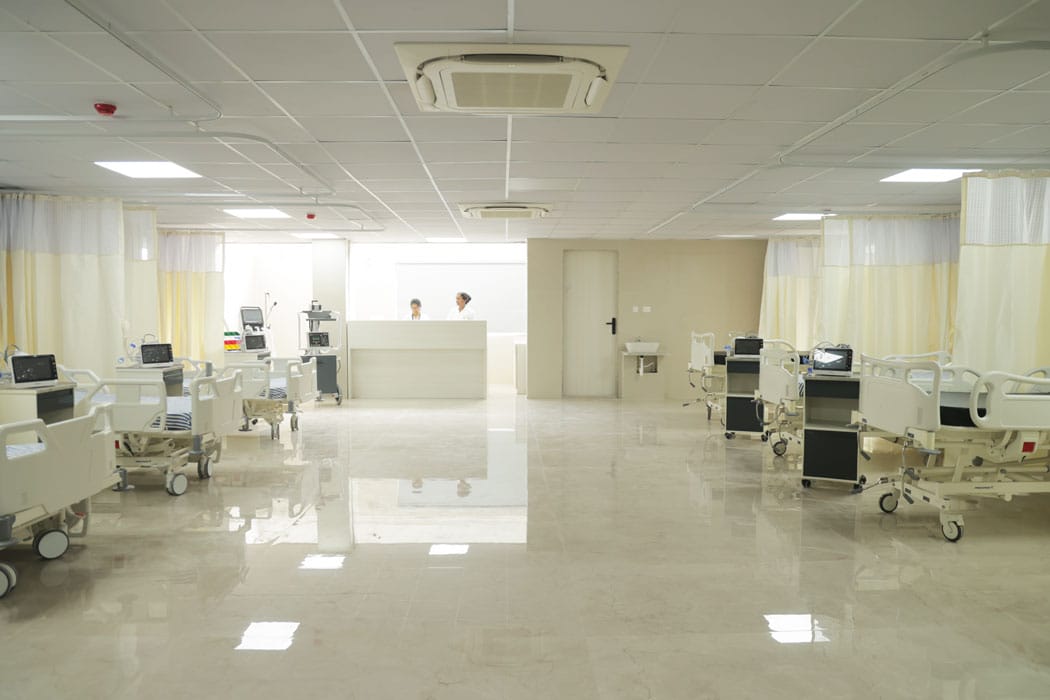
For critically ill patients, the ICU at Dhanashree Hospital provides a healing touch coupled with advanced medical care. The open ICU design welcomes natural light to lift spirits and promote quicker healing. Extended visiting hours for patients’ loved ones underline the belief that emotional support spurs recovery. Every corner of the ICU fosters a healthy and positive environment, allowing both patient and family to feel supported. Safety is non-negotiable, with strict infection control, constant electronic monitoring, and a team of specialized doctors, paramedics, and nurses providing seamless care at every moment. - Neonatal Intensive Care Unit (NICU): Safeguarding New BeginningsThe smallest lives need the biggest care. Dhanashree Hospital’s NICU is a cocoon of specialized attention for premature and critically ill newborns. State-of-the-art equipment and specially trained neonatal nurses work together to support fragile bodies and developing organs. Infection control remains top priority, combined with gentle handling and round-the-clock observation. Families are welcomed into the care process, so newborns always feel the warmth of love as well as expertise.
- Paediatric Intensive Care Unit (PICU): Caring for Young Fighters
Children’s needs are unique, especially in an emergency. The PICU is tailored for critically ill infants, children, and adolescents, managed by pediatric intensivists and a dedicated nursing team. From life-saving technology to comforting child-friendly spaces, every detail aims to ease the fear of hospitalization. The team focuses not just on rapid intervention, but also on emotional comfort for both young patients and their worried families. - High Dependency Unit (HDU): Bridging Recovery
Some patients require extra monitoring without the intensity of ICU care. The High Dependency Unit presents a smooth transition for those recovering from major surgery, organ failure, or serious illness. Close supervision, responsive nursing, and specialized care ensure patients regain strength confidently before returning home or to a regular ward. - Skilled Emergency Team
Our doctors, nurses, and paramedics are trained to respond quickly and effectively to a wide range of urgent health conditions. They work together to ensure each patient receives immediate and appropriate care. - Comprehensive Care Access
If your condition requires specialist attention, our emergency team coordinates with experts in cardiology, neurology, orthopedics, intensive care, and other departments to provide complete and seamless care. - Faster Diagnostics and Response
Time matters in emergencies. On-site diagnostic services such as imaging, lab testing, and pharmacy support help speed up evaluation and treatment decisions. - 24/7 Ambulance Support
In case of critical emergencies, our ambulances are equipped for safe and rapid transport to the hospital, with trained staff onboard to begin care en route. - Patient-Focused Approach
We understand that emergencies can be stressful. Our team prioritizes not just medical attention, but also clear communication, dignity, and emotional support for patients and their families.
Why Choose Dhanashree Hospital for Emergency Care?
For patients living with chronic illnesses like diabetes, hypertension, or asthma, managing your health is a daily journey.
- Immediate Triage and Stabilization:
Every patient is assessed as soon as they arrive. Our triage system helps identify the most urgent cases so that critical care can begin without delay. - Treatment of Acute Illnesses and Injuries:
From high fevers and infections to fractures, wounds, burns, or allergic reactions, our emergency department is equipped to handle a wide variety of sudden health concerns. - Cardiac and Stroke Response:
In cases of suspected heart attack or stroke, our team initiates rapid intervention protocols, supported by real-time diagnostics and coordinated care. - Respiratory and Neurological Emergencies:
Difficulty breathing, seizures, or loss of consciousness require fast, collaborative action. Our specialists are available to manage these complex situations with care and expertise. - Poisoning and Overdose Management:
If poisoning or overdose is suspected, we provide immediate and appropriate treatment while ensuring patient monitoring and safety throughout the process.
- Immediate Triage and Stabilization:
What to Expect During an Emergency Visit
Upon arrival, patients are guided through the triage process, where trained professionals quickly assess the nature and urgency of the situation. Based on the evaluation, appropriate diagnostic and treatment steps are initiated. The team ensures communication with patients and family members throughout the process.
Ambulance Services
Emergency ambulance support is available for safe and timely transport to the hospital. Each ambulance is equipped with essential life-support equipment and is staffed by trained personnel to provide care en route.
When to Visit the Emergency Department
Seek immediate medical attention for symptoms such as:
- Sudden chest pain
- Difficulty breathing
- Severe injuries or trauma
- Uncontrolled bleeding
- Stroke symptoms (e.g., facial droop, slurred speech)
- Seizures or unconsciousness
- High fever with altered consciousness
- Poisoning or suspected overdose
Important Information
- The Emergency Department functions 24 hours a day, including weekends and public holidays.
- For any medical emergency, patients may walk in directly or contact the hospital’s emergency helpline Number.
Contact Here For Any Kind Of Education Inquiry
- Phone: +91 85540 99996
- Phone: +91 84840 07508
- Email: contact@dhanashreehospital.com
- Location: Location: GP 66 Bharat Ratna Rajiv Gandhi Marg, Chinchwad, opposite Kamal Nayan Bajaj School, Pune, MH 411019
- Location: Location: Gat no. 137, Dehu alandi road, near Bharat Mata chowk, Moshi, Pimpri-Chinchwad, MH 412105