Learn what to expect when visiting the Emergency Department. Learn More

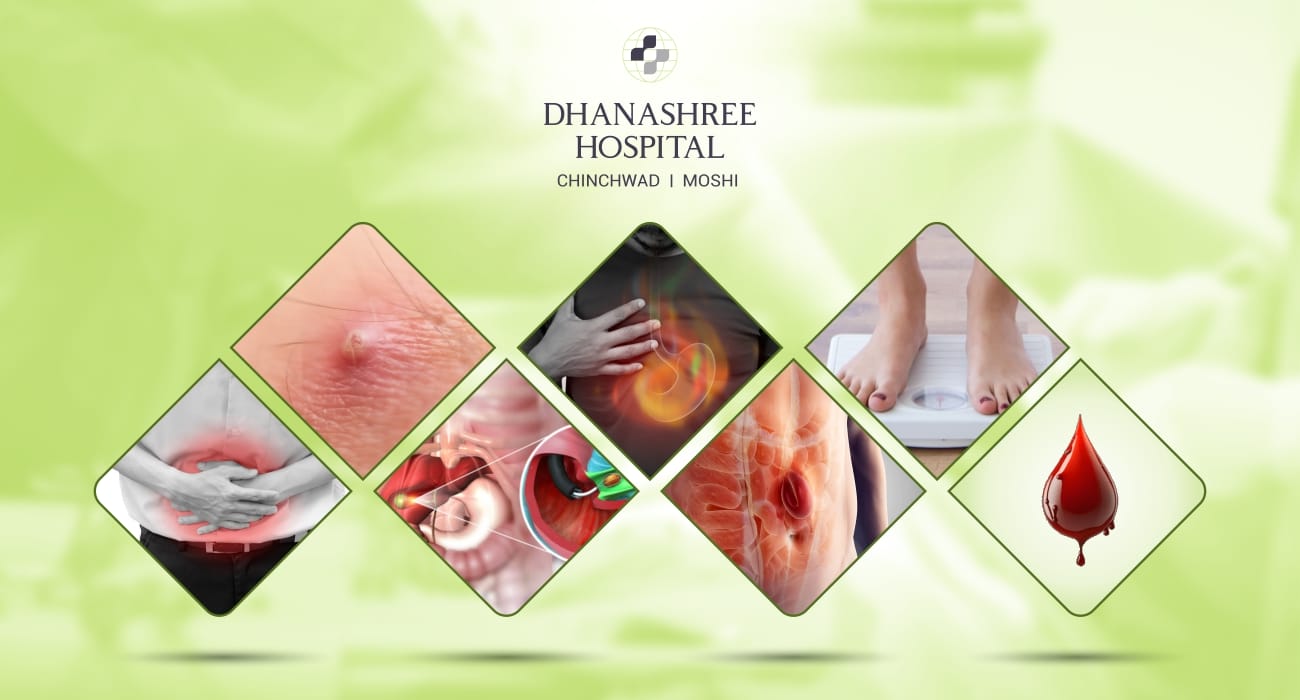
Your body sends signals when something needs attention. Sometimes those signals point to a surgical condition that requires expert evaluation. The difference between ignoring these warning signs and seeking timely consultation can be significant; affecting your recovery, complications, and long-term health outcomes. Here’s what you need to know about when a general surgeon’s expertise becomes essential.
Meet Our Team of Skilled Doctors
Dr. Rajeev Patwardhan
MS (Ortho) Sr. Orthopedic & Trauma Surgeon
Dr. Apoorva Patwardhan
MS (Ortho) Knee & Shoulder Specialist
Dr. Saloni Patwardhan
M.B.B.S D (Orth) Hand, Trauma & Scar Cosmetic Surgeon
Dr. Rajesh Hingwe
MBBS, DNB Ortho, D (Ortho) Robotic Joint Replacement Surgeon
Dr. Tushar Pisal
M.B.B.S MS (Ortho) Spine Surgeon
Dr. Kanchan Durugkar
MS – Obstetrics & Genecology
Dr. Pratik Ajagekar
M.B.B.S MS (Gen Surg)
Dr. Ashvin Bhalerao
Anesthetist & IntensivistUnderstanding General Surgery
A general surgeon is trained to diagnose and treat a wide range of conditions affecting your abdominal organs, digestive system, and surrounding tissues. These conditions range from routine to urgent, and many are far easier to manage when caught early. The key is recognizing when your symptoms warrant professional evaluation rather than hoping they’ll resolve on their own.
The 7 Signs You Need a General Surgery Consultation
1. Persistent Abdominal Pain
Abdominal pain is one of the most common reasons people visit general surgeons. But not all belly pain is the same. If you’re experiencing pain that doesn’t improve with rest, over-the-counter medication, or lifestyle changes, especially if it lasts more than a few days, it’s time to book a consultation.
Persistent pain can indicate several surgical conditions: gallstones causing inflammation, hernias creating pressure, bowel obstruction, or appendicitis. The location of the pain matters too. Pain that starts around your navel and moves to the lower right, or pain concentrated in the upper right abdomen, often signals conditions that need surgical attention. Your surgeon will help identify the underlying cause and determine whether surgery is needed.
2. Lumps or Bumps That Don’t Go Away
Any unexplained lump, bulge, or growth, whether it’s near your abdomen, groin, or elsewhere. It deserves professional evaluation. These could be benign cysts, fatty tumors, or something more serious. The concern isn’t just what the lump is, but whether it’s growing or changing over time.
Hernias are particularly common lumps that people notice. A hernia occurs when internal tissue pushes through weak areas in your muscle wall, creating a visible bulge, particularly when you’re standing, lifting, or coughing. While hernias won’t heal on their own, and most aren’t dangerous by themselves, they can become uncomfortable or develop complications. Your surgeon can assess whether the lump requires surgical repair or if conservative management is appropriate.
3. Gallbladder Issues (Gallstones or Inflammation)
Gallbladder problems are extremely common and often treatable surgically. Classic signs include sudden pain in your upper right abdomen, bloating, nausea, vomiting, or pain between your shoulder blades or in your right shoulder. These symptoms frequently worsen after eating fatty foods.
What makes gallbladder conditions important to address is their potential for complications. Untreated gallstones can block bile ducts, leading to jaundice, dangerous infections, or acute pancreatitis. Laparoscopic cholecystectomy, gallbladder removal through small incisions, is one of the most commonly performed surgeries and offers excellent outcomes when done before complications develop.
4. Chronic Heartburn or Difficulty Swallowing
Severe, persistent acid reflux that doesn’t respond to medication deserves surgical evaluation. When you experience chronic difficulty swallowing, regurgitation of food, unexplained weight loss, or pain while swallowing, these could signal underlying structural problems in your esophagus or stomach that require surgical intervention.
While medication helps many people, some find that surgery, like a fundoplication procedure, provides lasting relief that medications alone cannot achieve. An early consultation helps determine whether you’re a candidate for surgical solutions.
5. Suspected or Confirmed Hernia
Hernias are among the most common conditions treated by general surgeons. You might notice a bulge, especially when you lift something heavy, bend over, or cough. Some people experience discomfort or pain at the site; others feel pressure or a sensation of weight.
Here’s the reality: hernias don’t go away on their own, and they can enlarge over time. While not every hernia requires immediate surgery, a consultation helps determine your risk. If your hernia is growing, causing pain, or interfering with daily activities, surgical repair prevents potential strangulation, a serious complication where tissue gets trapped and loses blood supply.
6. Significant Unexplained Weight Loss
Losing more than five percent of your body weight unintentionally over six to twelve months warrants investigation. Unexplained weight loss can indicate serious surgical conditions like cancer, bowel obstruction, or gastrointestinal diseases. When combined with other symptoms like persistent pain, bloating, or changes in bowel habits, this becomes even more concerning.
Your surgeon may recommend diagnostic procedures like colonoscopy or gastroscopy to visualize your digestive tract and identify the cause. Early diagnosis of malignancies significantly improves treatment outcomes and survival rates.
7. Blood in Stool or Urine
Visible blood in your stool or urine is never something to dismiss. This could indicate kidney stones, ulcers, polyps, hemorrhoids, or cancer. While some causes are minor and easily treated, others require prompt surgical or medical attention.
Your surgeon will perform appropriate diagnostic procedures to identify the source and recommend treatment. Timely evaluation prevents complications and often leads to less invasive treatment options.
Why Early Diagnosis Makes a Real Difference
The timing of your surgical consultation matters more than you might realize. Consider appendicitis: a ruptured appendix spreads dangerous infection throughout your abdomen, creating peritonitis, a life-threatening emergency. Early surgical removal prevents this catastrophe. Research shows that delays in appendectomy beyond 24-48 hours significantly increase postoperative complications.
Similarly, early detection of cancer allows surgeons to remove tumors when they’re smaller and haven’t spread to other organs. This dramatically improves survival rates and often allows for less aggressive surgical approaches with fewer complications.
Even for non-emergency conditions, early consultation has advantages. You get personalized treatment planning, thorough medical optimization before surgery, and the ability to schedule procedures at convenient times rather than under emergency conditions. You’ll also have time to prepare mentally and logistically for your recovery.
The Advantages of Modern Surgical Techniques at Dhanashree Hospital
Today’s surgical techniques bear little resemblance to the major open surgeries of decades past. Minimally invasive laparoscopic surgery has transformed how many conditions are treated. Instead of large incisions that require extensive healing, surgeons now use 2-4 tiny “keyhole” incisions, each less than 1 centimeter long.
The benefits of this approach are substantial: Smaller incisions mean significantly less tissue trauma, reduced pain, minimal scarring, and faster recovery. Patients often return to normal activities within 1-2 weeks instead of 4-6 weeks. Blood loss is minimal, infection rates drop, and hospital stays shorten dramatically, many patients go home the same day or after one overnight stay.
At Dhanashree Hospital in Moshi, their general surgery team combines expertise in both open and laparoscopic techniques, choosing the best approach for each patient’s specific condition. Their commitment to minimally invasive procedures means that when surgery is necessary, recovery is optimized. The hospital’s skilled surgeons, state-of-the-art operation theaters, and 24/7 intensive care backup ensure safe, effective treatment tailored to individual patient needs.
Modern techniques also include advanced imaging and diagnostic capabilities. High-definition visualization during laparoscopic surgery gives surgeons superior precision compared to traditional open approaches. Specialized instruments and lighting systems allow treatment of complex conditions through minimal access, often preventing complications and improving overall outcomes.
When to Schedule Your Consultation
You don’t need to wait until a condition becomes emergent to seek surgical evaluation. In fact, that’s precisely when you should avoid waiting. If you’ve noticed any of these seven warning signs, contact a general surgeon for a consultation. This isn’t a commitment to surgery, it’s a commitment to understanding your condition and making informed decisions about your health.
During your consultation, your surgeon will perform a thorough evaluation, order any necessary diagnostic tests, and discuss treatment options. This conversation allows you to ask questions, understand the pros and cons of different approaches, and develop a personalized care plan. For many conditions, knowing what you’re dealing with reduces anxiety and allows you to take control of your health.
The Bottom Line
Your body’s warning signs exist for a reason. Persistent abdominal pain, unexplained lumps, gallbladder symptoms, swallowing difficulties, hernias, unexplained weight loss, or bleeding aren’t things to hope will disappear. They’re signals worth investigating with a qualified general surgeon.
Early consultation doesn’t necessarily mean immediate surgery. It means getting answers, understanding your options, and accessing expert care when you need it most. Modern minimally invasive techniques at facilities like Dhanashree Hospital make surgical treatment less daunting than ever before, with recovery times measured in days or weeks rather than months.
Don’t ignore what your body is telling you. The small step of scheduling a consultation could prevent serious complications and set you on a path to better health.