Learn what to expect when visiting the Emergency Department. Learn More

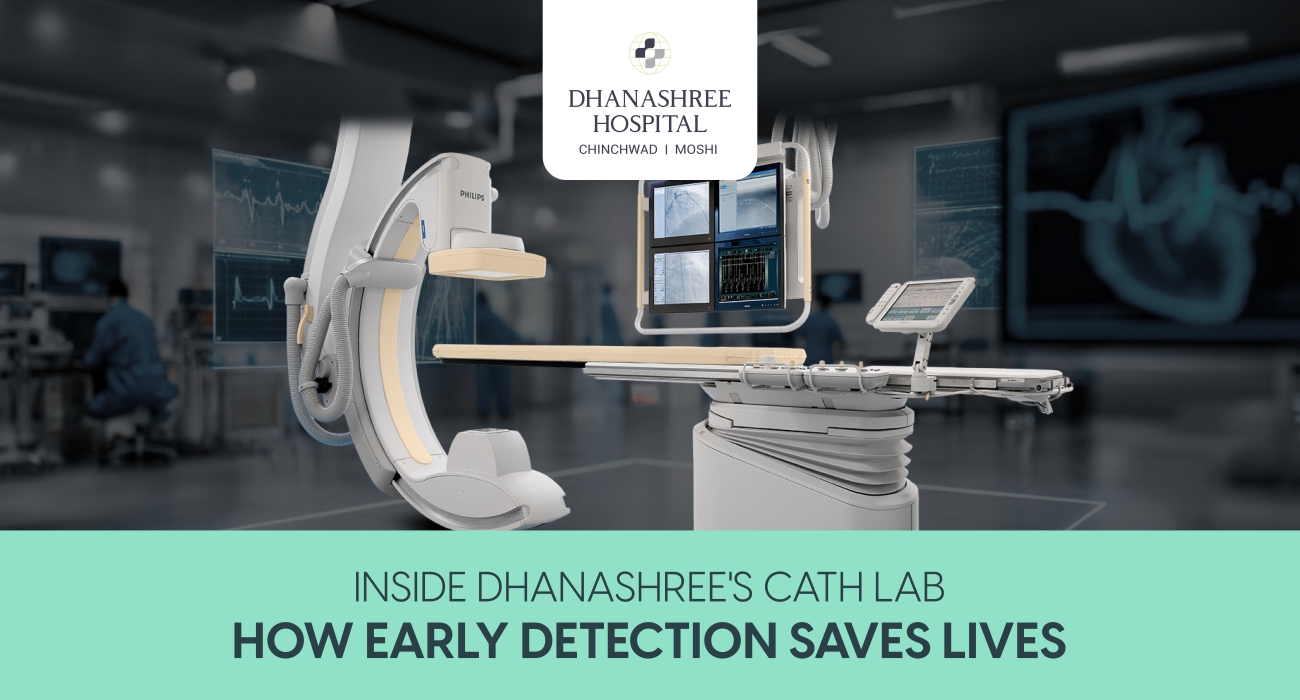
When your heart isn’t getting enough blood, minutes literally matter. The cardiac catheterization laboratory—or cath lab—stands at the frontline of modern cardiology, armed with advanced imaging technology that can identify and fix problems in seconds rather than hours. For patients facing a suspected heart attack or coronary artery disease, what happens inside a cath lab could be the difference between a full recovery and permanent heart damage.
Meet Our Team of Skilled Doctors
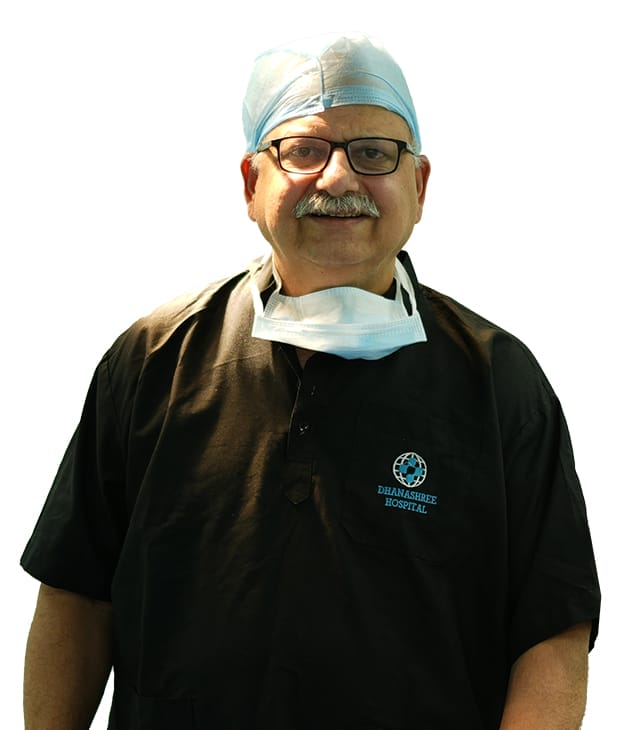
Dr. Rajeev Patwardhan
MS (Ortho) Sr. Orthopedic & Trauma Surgeon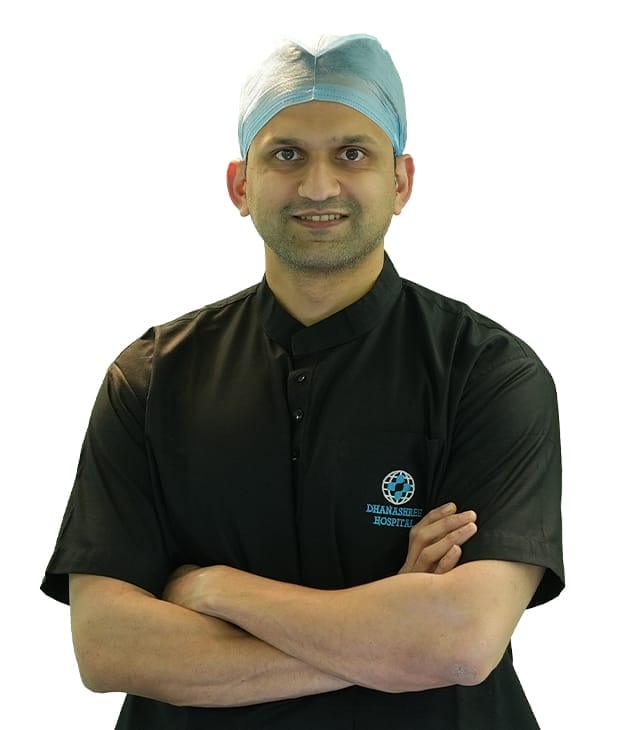
Dr. Apoorva Patwardhan
MS (Ortho) Knee & Shoulder Specialist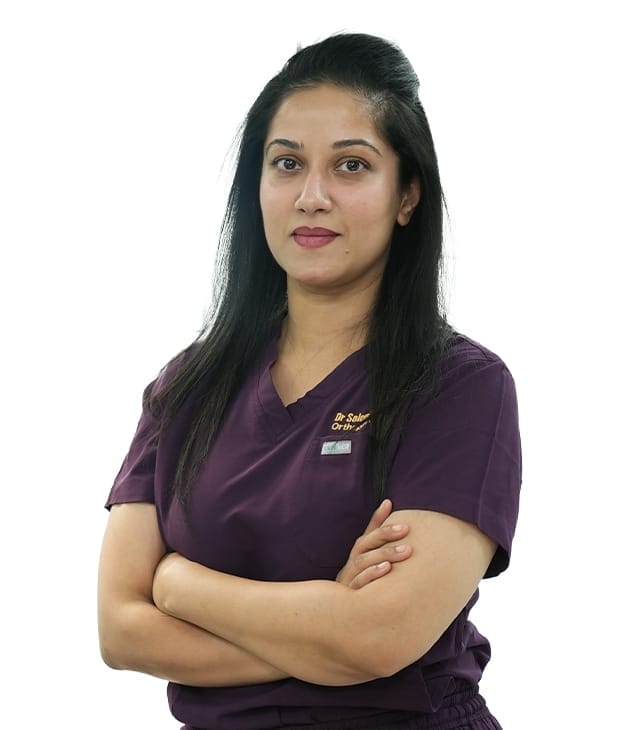
Dr. Saloni Patwardhan
M.B.B.S D (Orth) Hand, Trauma & Scar Cosmetic Surgeon
Dr. Rajesh Hingwe
MBBS, DNB Ortho, D (Ortho) Robotic Joint Replacement Surgeon
Dr. Tushar Pisal
M.B.B.S MS (Ortho) Spine Surgeon
Dr. Kanchan Durugkar
MS – Obstetrics & Genecology
Dr. Pratik Ajagekar
M.B.B.S MS (Gen Surg)
Dr. Ashvin Bhalerao
Anesthetist & IntensivistThe Silent Threat Your Cath Lab Detects
Heart disease doesn’t always announce itself. Many people walk around with dangerously narrowed or blocked arteries without feeling a single symptom. This silent progression is exactly why early detection through advanced cath lab technology has become one of the most powerful weapons in preventing cardiovascular events.
A cath lab uses real-time imaging with high-resolution X-ray equipment, ultrasound, and specialized catheters to give cardiologists an incredibly detailed view inside your heart and blood vessels. During a coronary angiogram—one of the most common diagnostic procedures—doctors can see exactly where blockages exist, how severe they are, and what the blood flow looks like. This diagnostic power is transformative because once doctors see the problem, they can often treat it immediately without requiring a separate surgery.
The statistics speak for themselves. Coronary angiography has a diagnostic success rate of over 97% in identifying coronary artery disease and other cardiac problems. But the real magic happens when problems are caught early, before they turn into emergencies.
Why Time Is Your Greatest Asset
Here’s what most people don’t realize: when a heart attack happens, every single minute counts. After blood flow to the heart is blocked, permanent damage begins within 30 minutes. By 6 hours, if blood flow hasn’t been restored, there’s little chance of saving that heart muscle.
This urgency has created the concept of the “Golden Hour”—the first 60 minutes after heart attack symptoms begin. During this window, prompt intervention can dramatically change outcomes. More than half of people who die from heart attacks do so before even reaching the hospital. Among those who reach a hospital with a cath lab, the picture transforms completely.
When angioplasty is performed quickly—especially within 2-3 hours—patients often recover with minimal or no lasting damage. Delay this same treatment by just 30 minutes, and your risk of death at one year increases by approximately 7.5%. Research shows that every delay in getting a patient from the emergency department to the cath lab for treatment increases mortality risk.
Dhanashree Hospital’s digital cath lab enables rapid diagnosis and intervention, meaning patients with blocked arteries get the treatment they need within the shortest possible timeframe. This speed difference translates directly into preserved heart function and survival.
What Happens Inside: The Angioplasty Revolution
Once a blockage is identified through angiography, interventional cardiologists can often fix it immediately. This is where angioplasty comes in—a minimally invasive procedure where a tiny balloon is threaded to the blocked artery and inflated to push the blockage against the artery wall, restoring blood flow. In most cases, doctors then place a stent (a small mesh tube) to keep the artery open permanently.
The beauty of this approach is that it’s quick, effective, and requires only local anesthesia. Patients typically wake up and feel better almost immediately. Compare this to open-heart surgery, which involves general anesthesia, large incisions, and weeks of recovery. Angioplasty procedures typically take 1-2 hours from start to finish, and patients can often resume normal activities within days rather than months.
The evidence is overwhelming. Angioplasty saves lives. According to the Society for Cardiovascular Angiography and Interventions, this procedure is an efficient way to restore blood flow quickly, preventing irreversible heart damage. Patients who receive angioplasty instead of traditional medications have better survival rates and lower chances of needing additional procedures down the line.
Beyond Emergency Treatment: Catching Problems Before They Happen
While emergency interventions save lives, the real revolution in cardiology is early detection in asymptomatic patients. Advanced imaging technologies used in modern cath labs can now identify heart disease before a patient ever experiences symptoms.
Cardiac CT angiography, fractional flow reserve (FFR) testing, and intravascular ultrasound (IVUS) all provide cardiologists with granular details about your cardiovascular system. These diagnostic tests can reveal early plaque buildup, detect narrow lesions that might rupture in the future, and even measure blood flow across specific arteries with precision.
The benefit? Patients who learn they have significant narrowing in their arteries can start treatment immediately—through medications, lifestyle changes, or preventive procedures—before a heart attack ever happens. Research shows that early detection strategies are predominantly cost-effective and can actually reduce overall healthcare costs by preventing emergencies.
Why Technology Makes the Difference
Not all cath labs are the same. Advanced facilities like Dhanashree’s digital cath lab are equipped with cutting-edge imaging systems that provide superior clarity and precision. This technological advantage means:
Faster diagnosis: Real-time digital imaging eliminates delays and guesswork. Doctors see blockages clearly and make treatment decisions immediately.
Better outcomes: Studies show that hospitals with greater annual procedural volumes—which usually correlate with more advanced equipment—have significantly better survival rates.
Minimally invasive procedures: Modern equipment enables doctors to access blocked arteries through small punctures in the wrist or groin rather than open surgery. This means less pain, less infection risk, and faster recovery.
Complete assessment: Advanced imaging doesn’t just show where blockages are. It reveals vessel quality, plaque characteristics, and blood flow patterns that help doctors choose the exact right treatment.
The Interventional Cardiology Difference
Interventional cardiologists are specialists trained to handle cardiac emergencies with the advanced equipment available in a cath lab. When a patient arrives with a heart attack, these experts can often have the blocked artery open and blood flowing again in under an hour from arrival—a testament to the organized protocols and skilled teams at centers like Dhanashree.
But interventional cardiology extends far beyond emergencies. These specialists treat chronic coronary artery disease, peripheral vascular disease, heart valve problems, arrhythmias, and structural heart defects—all without requiring open-heart surgery. They might perform ablation for irregular heartbeats, place pacemakers for slow rhythms, or perform transcatheter valve replacements for patients with valve disease.
The scope of conditions that can be treated through a cath lab has expanded dramatically over the past decade, and outcomes have improved alongside this expansion. Patients who previously would have faced major surgery now have minimally invasive options that preserve their quality of life.
Early Detection Reduces Mortality: The Numbers Don’t Lie
The evidence for early detection is compelling. Studies show that timely detection of hypertension and high cholesterol through screening programs, followed by immediate intervention, substantially lowers the risk of heart attacks and strokes. One national program achieved an 82% reduction in cardiovascular mortality through early detection and intervention.
Without valve replacement, up to 50% of people with severe aortic valve stenosis die within an average of 2 years once symptoms appear. But if these conditions are detected before symptoms develop, minimally invasive valve procedures through a cath lab can prevent this outcome entirely.
This is the promise of modern cardiology: catch problems early, intervene minimally, and preserve heart function for decades to come.
Recognizing Symptoms Matters Too
While advanced cath labs excel at finding problems, patients play a crucial role by recognizing when something might be wrong. Chest pain or pressure, especially when triggered by exertion, shortness of breath during normal activity, unexplained fatigue, or pain in the arms, jaw, neck, or back all warrant immediate medical evaluation.
If you experience these symptoms, don’t delay. Reaching a hospital with cardiac care capabilities as quickly as possible dramatically improves outcomes. Each 30 to 45-minute delay beyond the first hour is estimated to cost approximately 1% of heart function.
FAQs: Understanding Cath Lab Care
No. Cath lab procedures are performed under local anesthesia, similar to what you'd receive at the dentist. You'll feel some pressure or minor discomfort as the catheter is inserted, but not pain. Most patients describe it as manageable and far easier than they expected.
Most patients go home within 24 hours. Within a week, you can usually return to light activities. Full recovery typically takes 2-3 weeks, compared to 6-8 weeks for traditional bypass surgery.
In-stent restenosis (narrowing at the treated site) can occur in some cases, but modern drug-eluting stents have dramatically reduced this risk. Lifestyle changes and medications significantly lower the chance of blockages returning elsewhere in your coronary system.
Anyone with symptoms of heart disease, risk factors like high blood pressure or high cholesterol, or a family history of early heart disease should discuss screening with their cardiologist. Even asymptomatic patients with multiple risk factors may benefit from advanced imaging.
No. While cath labs are equipped to handle emergencies, they're equally important for planned diagnostic procedures and preventive interventions in stable patients. Many procedures are elective, allowing patients to plan ahead and receive optimal care.