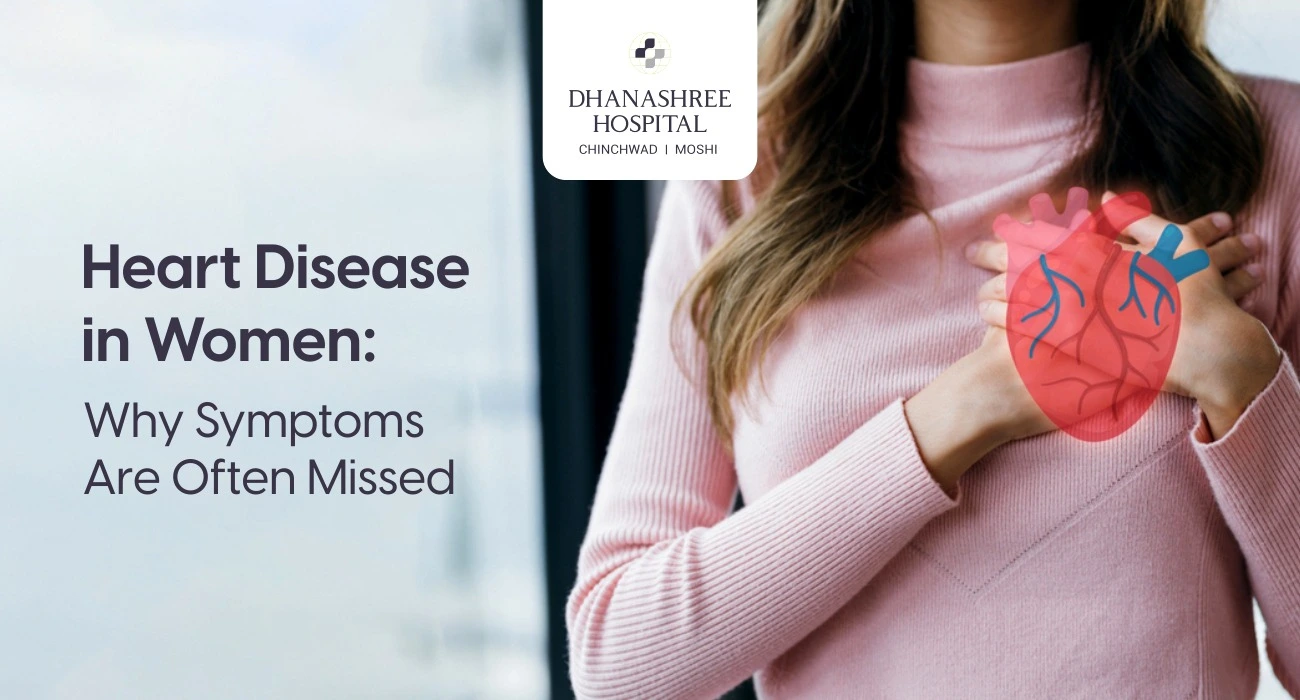
Heart disease is widely perceived as a condition that primarily affects men, but it remains the leading cause of death among women worldwide, including in India. One of the biggest challenges is that heart disease symptoms in women are often subtle, atypical, and easy to overlook. Many women attribute early warning signs to stress, fatigue, hormonal changes, or ageing, which leads to delayed diagnosis and treatment. Understanding how heart disease presents differently in women is essential for early detection, timely intervention, and better long-term cardiovascular outcomes.
Why Heart Disease Is the Leading Health Risk for Women
Cardiovascular disease includes conditions affecting the heart and blood vessels such as coronary artery disease, heart attack, heart failure, and rhythm disorders. In women, risk increases due to a combination of hormonal changes, lifestyle factors, metabolic conditions, and delayed medical attention.
Key contributors include:
Menopause and estrogen decline
Diabetes and hypertension
Sedentary lifestyle
Stress and sleep disturbances
Obesity and metabolic syndrome
Family history of heart disease
Despite these risk factors, awareness remains lower among women compared to other health conditions.
Why Heart Disease Symptoms Are Often Missed in Women
Unlike the classic crushing chest pain often described in men, women frequently experience less obvious symptoms. These early warning signs may appear mild, intermittent, or unrelated to the heart.
Common reasons symptoms are missed include:
Symptoms are subtle or atypical
Women prioritise family responsibilities over their own health
Symptoms are mistaken for anxiety, acidity, or fatigue
Gradual onset rather than sudden severe pain
Lack of awareness about female-specific heart symptoms
This leads to delays in seeking care, which can increase complication risk.
Subtle Heart Disease Symptoms in Women
1. Persistent Fatigue
Unusual fatigue that interferes with daily activities is one of the most common early signs. It may appear weeks before a cardiac event and often has no clear cause.
2. Breathlessness
Shortness of breath during routine activities such as walking, climbing stairs, or lying down can indicate reduced heart function.
Early evaluation through cardiac assessment and diagnostic testing is important when breathlessness is unexplained.
3. Nausea or Indigestion-Like Symptoms
Women experiencing heart problems may report nausea, vomiting, or a sensation similar to acidity. Because these symptoms mimic gastrointestinal issues, cardiac causes are often overlooked.
4. Jaw, Neck, Shoulder, or Back Pain
Pain that radiates to the jaw, upper back, neck, or shoulders can be a warning sign of reduced blood flow to the heart. This pain may occur without chest discomfort.
5. Mild Chest Discomfort Rather Than Severe Pain
Instead of intense chest pain, women may feel:
Pressure
Tightness
Burning sensation
Heaviness
These symptoms may come and go, making them easier to ignore.
6. Dizziness or Sweating
Sudden dizziness, light-headedness, or unexplained sweating may indicate cardiac stress, especially when occurring alongside other symptoms.
Why Women Delay Seeking Care
Delayed care is one of the most significant reasons for poorer cardiac outcomes in women.
Common reasons include:
Assuming symptoms are not serious
Misattributing symptoms to hormonal changes
Fear of diagnosis
Busy caregiving responsibilities
Lack of awareness about atypical symptoms
Symptoms appearing gradually
Unfortunately, delayed evaluation can allow heart disease to progress silently.
Importance of Early Testing
Early cardiac testing helps detect heart disease before major events occur. When symptoms or risk factors are present, doctors may recommend specific diagnostic evaluations.
Key Tests Include
ECG (Electrocardiogram) Helps detect rhythm abnormalities, heart strain, and early ischemic changes.
2D Echo Evaluates heart structure, pumping function, and valve health.
Stress Testing Assesses how the heart performs during physical activity.
Balanced diet, regular exercise, and weight management significantly reduce risk.
3. Stress Management
Chronic stress contributes to inflammation and cardiovascular strain.
4. Recognising Early Symptoms
Awareness is the most important preventive tool.
5. Timely Cardiology Evaluation
Persistent or unexplained symptoms should always be evaluated.
When to Seek Medical Advice
Consult a doctor if you experience:
Ongoing fatigue without explanation
Breathlessness with routine activity
Jaw, neck, or back pain with discomfort
Recurrent indigestion with risk factors
Dizziness or unexplained sweating
Multiple mild symptoms occurring together
Early evaluation can prevent major cardiac events.
Heart disease in women often begins quietly, but recognising subtle symptoms can make a life-saving difference. Early testing, timely diagnosis, and appropriate cardiac care help prevent serious complications and improve long-term heart health. If you notice persistent fatigue, breathlessness, or unusual discomfort that does not feel normal, seeking medical evaluation is essential. Taking action early allows for better treatment outcomes and protects your future cardiovascular wellbeing.
Frequently Asked Questions
Yes. Women often have subtler symptoms and less typical chest pain.
Yes. Many women experience fatigue, breathlessness, or nausea instead.
Screening is recommended from the mid-30s or earlier if risk factors exist.
Persistent unexplained fatigue may indicate underlying heart disease.
Because symptoms are atypical and often misinterpreted.