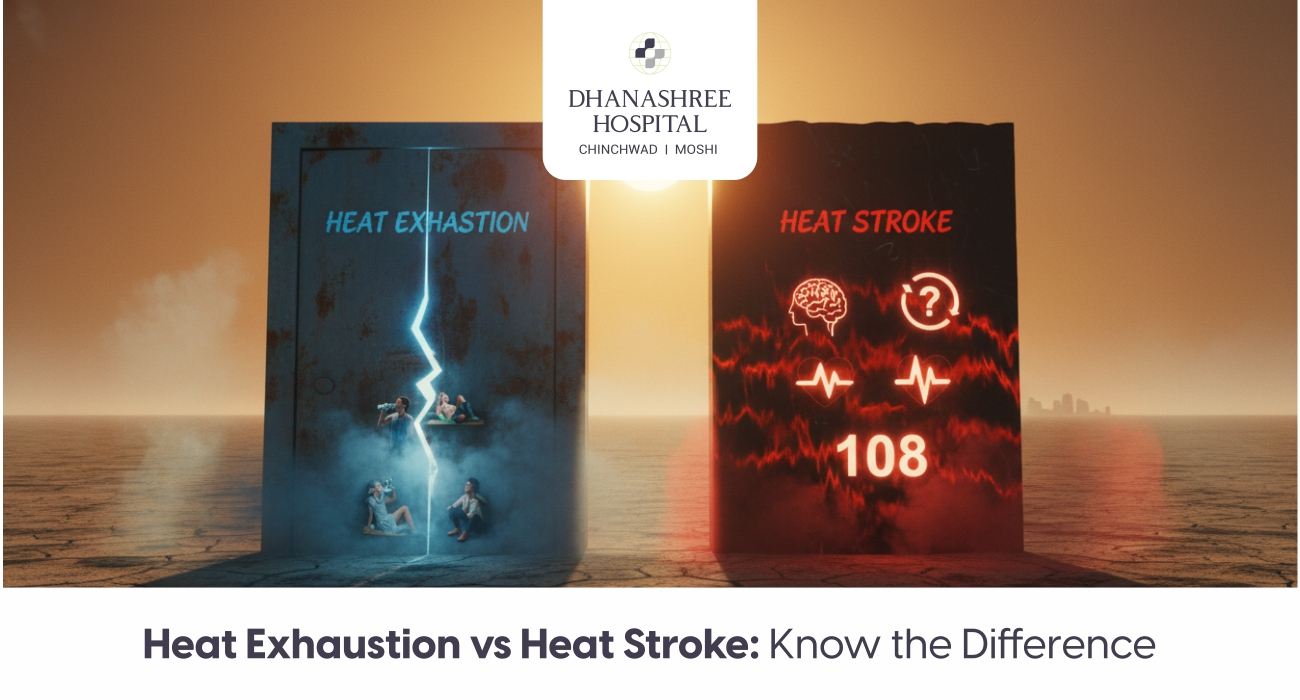
Extreme heat can affect the body in several ways, especially during hot summer months or prolonged outdoor exposure. Two of the most common heat-related illnesses are heat exhaustion and heat stroke. While both conditions occur due to the body overheating, they differ significantly in severity, symptoms, and the urgency of medical treatment required.
Heat exhaustion is typically the body’s response to excessive heat and dehydration, whereas heat stroke is a serious medical emergency that occurs when the body can no longer regulate its internal temperature. Recognising the difference between these two conditions is crucial because early action can prevent severe complications and potentially life-threatening outcomes.
Understanding the warning signs and knowing how to respond quickly can help protect individuals of all ages, especially children, elderly people, and those with underlying health conditions.
Heat exhaustion occurs when the body loses excessive fluids and salts through sweating, leading to dehydration and an inability to maintain normal temperature regulation. It often develops after prolonged exposure to high temperatures combined with inadequate fluid intake.
Common Symptoms of Heat Exhaustion
Symptoms usually develop gradually and may include:
Heavy sweating
Weakness or fatigue
Dizziness or lightheadedness
Headache
Nausea or vomiting
Muscle cramps
Rapid pulse
Cool, pale, or clammy skin
Excessive thirst
If treated early, heat exhaustion can usually be managed with rest, cooling, and proper hydration.
What Is Heat Stroke?
Heat stroke is the most severe form of heat-related illness and occurs when the body’s temperature rises to dangerously high levels, typically above 40°C (104°F). In this condition, the body loses its ability to regulate temperature, and sweating may stop completely.
Heat stroke is a medical emergency and requires immediate treatment.
Symptoms of Heat Stroke
Symptoms often appear suddenly and may include:
Very high body temperature
Hot, red, or dry skin
Confusion or altered mental state
Severe headache
Rapid breathing or pulse
Nausea or vomiting
Loss of consciousness
Seizures in severe cases
Without prompt treatment, heat stroke can cause damage to vital organs such as the brain, heart, kidneys, and muscles.
Key Differences Between Heat Exhaustion and Heat Stroke
Feature
Heat Exhaustion
Heat Stroke
Severity
Moderate
Life-threatening emergency
Body temperature
Elevated but usually below 40°C
Often above 40°C
Sweating
Heavy sweating
Skin may become dry
Skin appearance
Pale, cool, clammy
Hot, red, dry
Mental state
Dizziness, weakness
Confusion, unconsciousness
Treatment
Cooling and hydration
Immediate emergency medical care
Understanding these differences helps in recognising when urgent medical intervention is required.
Who Is Most at Risk?
Certain groups are more vulnerable to heat-related illnesses.
High-risk individuals include:
Children and infants
Older adults
Outdoor workers
Athletes training in hot weather
People with heart disease or chronic illness
Individuals taking medications that affect hydration or temperature regulation
People living in hot climates or exposed to intense sunlight for long periods should take additional precautions.
First Aid for Heat Exhaustion
If someone shows signs of heat exhaustion, early action can prevent progression to heat stroke.
Immediate steps include:
Move the person to a cool or shaded area
Encourage drinking water or electrolyte fluids
Loosen tight clothing
Apply cool compresses or wet cloths
Allow the person to rest until symptoms improve
If symptoms worsen or persist, medical evaluation is recommended.
Emergency Response for Heat Stroke
Heat stroke requires urgent medical attention.
If heat stroke is suspected:
Call emergency medical services immediately
Move the person to a cooler environment
Try to lower body temperature with cool water or wet cloths
Use fans or ventilation to help cooling
Do not give fluids if the person is unconscious
Complications of Untreated Heat Stroke
If heat stroke is not treated quickly, it can lead to severe health problems such as:
Brain damage
Kidney failure
Heart complications
Muscle breakdown
Organ failure
How to Prevent Heat-Related Illness
Prevention plays a major role in protecting health during hot weather.
Practical prevention tips include:
Drink plenty of water throughout the day
Avoid prolonged exposure to direct sunlight
Wear lightweight and breathable clothing
Take frequent breaks in shaded or cool environments
Avoid intense physical activity during peak heat hours
Use sunscreen and protective accessories such as hats or umbrellas
Staying hydrated and limiting heat exposure can greatly reduce the risk of heat-related illness.
When to Seek Medical Help
Medical attention should be sought immediately if:
Body temperature rises significantly
Confusion or altered consciousness occurs
Vomiting or seizures develop
Symptoms do not improve after cooling measures
The person collapses or loses consciousness
Frequently Asked Questions
Heat exhaustion can become serious if untreated, but it is usually manageable with early cooling and hydration.
Yes. If symptoms are ignored or exposure to heat continues, heat exhaustion can progress to heat stroke.
Confusion, unconsciousness, and extremely high body temperature are critical warning signs.
Most people recover within a few hours with rest, hydration, and cooling.
Children, elderly individuals, athletes, and outdoor workers are at higher risk.
Yes. Dehydration reduces the body’s ability to regulate temperature effectively.
Strenuous activity during peak heat hours should be limited to prevent overheating.
Staying hydrated, avoiding direct sun exposure, and taking frequent cooling breaks are the most effective preventive measures.
Heat-related illnesses can escalate quickly if early warning signs are ignored. Recognising the difference between heat exhaustion and heat stroke is essential for taking the right action at the right time. Symptoms such as persistent dizziness, confusion, severe fatigue, nausea, or unusually high body temperature should never be overlooked, especially after prolonged heat exposure.
If you or someone around you experiences these symptoms, timely medical evaluation is important to prevent serious complications. Early diagnosis and proper treatment can help ensure a safe and quick recovery. If you need medical guidance or emergency care contact us and connect with our healthcare team for prompt assistance.