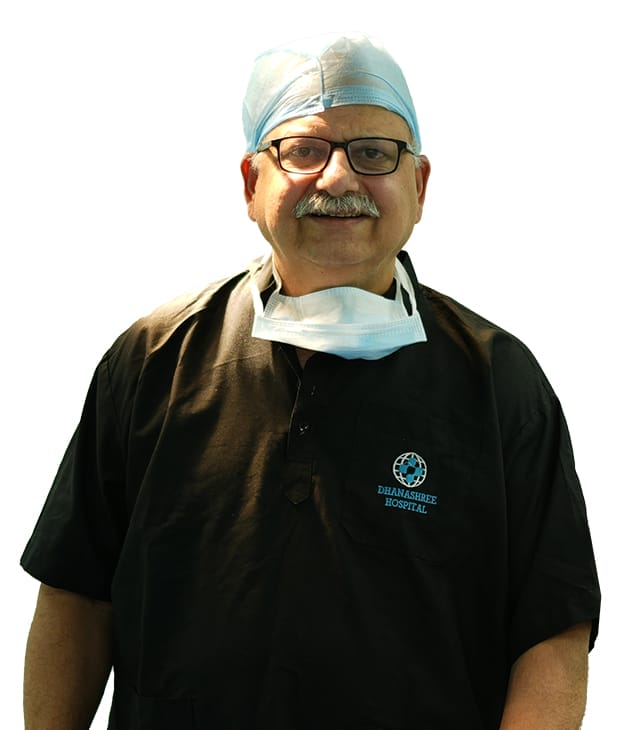
Healthcare is one of the few systems in the world that never pauses. Hospitals operate around the clock, every day of the year, ensuring that patients receive timely care whenever emergencies arise. Behind every smooth-functioning hospital is a network of dedicated professionals, complex coordination, and constant readiness.
While patients often see only brief moments of care, what happens behind the scenes is continuous, demanding, and deeply human. Keeping a hospital running 24/7 requires far more than infrastructure. It depends on people, precision, and an unwavering commitment to care.
Illness and emergencies do not follow schedules. Whether it is early morning, late at night, or during holidays, hospitals must remain fully functional at all times.
Doctors, nurses, technicians, and support staff work in rotating shifts to ensure that medical services are always available. This continuous availability is what allows patients to receive care exactly when they need it.
Night Shifts That Often Go Unnoticed
While most of the world sleeps, hospital teams continue working quietly in the background. Night shifts are essential to maintaining patient care, monitoring critical cases, and responding to emergencies.
These shifts often go unnoticed, yet they are crucial in ensuring that care remains uninterrupted through every hour of the day.
Physical and Emotional Fatigue
Healthcare professionals often work long hours under physically and emotionally demanding conditions. Standing for extended periods, managing multiple patients, and handling emotionally intense situations can take a toll.
Despite this, healthcare teams continue to deliver care with focus and compassion, prioritising patient needs above their own fatigue.
Quick Decisions Under Pressure
In many situations, healthcare professionals must make rapid decisions that can directly impact patient outcomes. Emergency cases, sudden complications, and critical conditions require immediate action.
These decisions are made using clinical expertise, teamwork, and experience, often within seconds.
Coordination Between Multiple Teams
A hospital functions as a coordinated system involving various departments working together seamlessly.
This includes:
Doctors and surgeons
Nursing staff
Diagnostic teams
Emergency responders
Support and administrative staff
Effective communication and coordination between these teams ensure that patients receive timely and accurate care.
Handling Unpredictable Situations Daily
Every day in a hospital is different. Unexpected emergencies, sudden patient inflow, and critical cases can arise at any time.
Healthcare teams must remain adaptable and prepared to handle a wide range of situations, often without prior notice.
Responsibility That Never Pauses
Caring for patients is a continuous responsibility. From monitoring vital signs to administering treatment, every action matters.
Even small delays or errors can affect patient outcomes, which is why hospital teams maintain constant vigilance and accountability.
Long Hours Without Certainty
Unlike many professions, healthcare does not offer predictable schedules. Shifts may extend beyond expected hours, and emergencies can require immediate attention regardless of time.
Despite the uncertainty, healthcare professionals remain committed to their roles, ensuring that patient care is never compromised.
Being Present During Critical Moments
Hospitals are places where some of life’s most critical moments occur. From emergencies and surgeries to recovery and healing, healthcare teams are present at every stage.
Their role goes beyond medical treatment. It includes providing reassurance, support, and stability during challenging times.
Showing Up Every Single Day
At the core of a 24/7 healthcare system is consistency. Regardless of external circumstances, healthcare professionals show up every day, ready to care for patients.
This commitment ensures that hospitals remain reliable, accessible, and prepared to serve the community at all times.
Healthcare never stops, and neither does the commitment to patient care. Behind every hospital visit is a team working tirelessly to ensure that help is always available, no matter the time or situation. If you ever need medical support, timely care and professional guidance can make all the difference. Choosing a healthcare provider that prioritises round-the-clock care ensures you and your loved ones are always in safe hands.
Frequently Asked Questions
Medical emergencies can occur at any time, making continuous care essential.
Doctors, nurses, technicians, and support staff all work rotating shifts.
Yes. Healthcare professionals often work long hours and manage multiple responsibilities.
Emergency departments remain fully operational with trained staff available at all times.
Coordinated efforts between departments ensure accurate and timely patient care.
Yes. Emergencies and patient needs may require extended working hours.
Unpredictable situations, critical decision-making, and emotional demands.
Through shift systems, structured coordination, and dedicated healthcare teams.