Dhanashree Hospital

Learn what to expect when visiting the Emergency Department. Learn More

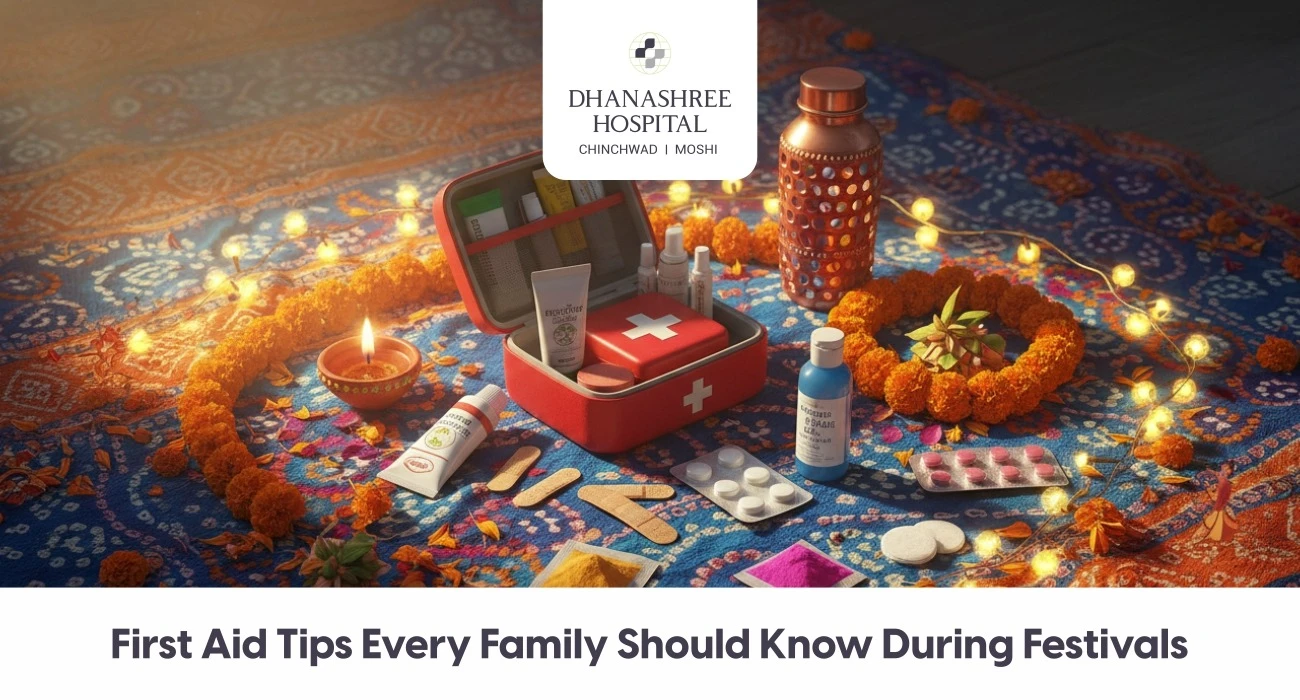
First Aid Tips Every Family Should Know During Festivals

Festivals are a time of celebration, family gatherings, food, decorations, and joyful traditions. However, increased activity, crowded spaces, fireworks, and cooking can sometimes lead to unexpected accidents or health emergencies. Minor burns, cuts, food-related illness, and injuries are more common during festive periods. Knowing basic first aid measures can help manage these situations quickly and safely until professional medical care is available. Being prepared with simple first aid knowledge and access to emergency medical services can make a significant difference in protecting the health and safety of your family.

Meet Our Team of Skilled Doctors

Dr. Rajeev Patwardhan

MS (Ortho) Sr. Orthopedic & Trauma Surgeon

Dr. Apoorva Patwardhan

MS (Ortho) Knee & Shoulder Specialist

Dr. Saloni Patwardhan

M.B.B.S D (Orth) Hand, Trauma & Scar Cosmetic Surgeon

Dr. Rajesh Hingwe

MBBS, DNB Ortho, D (Ortho) Robotic Joint Replacement Surgeon

Dr. Tushar Pisal

M.B.B.S MS (Ortho) Spine Surgeon

Dr. Kanchan Durugkar

MS – Obstetrics & Genecology

Why First Aid Awareness Is Important During Festivals

Festivals often involve activities that increase the risk of minor injuries and health concerns. Firecrackers, decorative lighting, cooking for large gatherings, travel, and late-night celebrations can sometimes lead to accidents.

First aid awareness helps in:

  • Managing minor injuries immediately
  • Preventing complications before medical help arrives
  • Reducing panic during emergencies
  • Protecting children and elderly family members
  • Ensuring faster recovery from small injuries

Common Festival-Related Injuries

During festive celebrations, some of the most common health issues include:

  • Burns from fireworks or hot surfaces
  • Minor cuts from decorations or sharp objects
  • Food poisoning or digestive discomfort
  • Eye irritation from smoke or firecrackers
  • Slips and falls due to crowded spaces
  • Allergic reactions to food or decorations

Essential First Aid Tips for Festivals


1. Treating Minor Burns

Burn injuries may occur while cooking, lighting lamps, or using fireworks.

First Aid Steps

  • Immediately run cool water over the burn for 10–15 minutes
  • Avoid applying toothpaste, oil, or home remedies
  • Cover the burn with a clean sterile cloth or dressing

  • Seek medical care if the burn is large or painful

If burns appear severe, professional care through emergency services or critical care support may be required.


2. Handling Cuts and Minor Bleeding

Decorations, broken glass, or sharp objects can cause small cuts.

First Aid Steps

  • Wash hands before touching the wound
  • Clean the cut with clean water
  • Apply gentle pressure using sterile gauze to stop bleeding
  • Cover with a clean bandage

If bleeding does not stop after several minutes, medical evaluation may be necessary.


3. Managing Eye Irritation from Firecrackers

Firecracker smoke, sparks, or debris can irritate the eyes.

First Aid Steps

  • Avoid rubbing the eye
  • Rinse gently with clean water
  • Keep the affected eye closed if pain persists
  • Seek medical evaluation immediately if vision changes or pain increases

Eye injuries should always be examined by healthcare professionals.


4. Food Poisoning and Digestive Issues

Festivals often involve heavy meals and outside food, which may lead to digestive discomfort.

Common Symptoms

  • Nausea
  • Vomiting
  • Stomach cramps
  • Diarrhea

First Aid Steps

  • Drink plenty of fluids to prevent dehydration
  • Eat light and easily digestible food
  • Seek medical care if symptoms persist or worsen

Diagnostic testing through laboratory services may help identify infections when symptoms continue.


5. Handling Slips and Falls

Crowded homes, decorations, and spilled liquids increase fall risks.

First Aid Steps

  • Help the person sit or lie down safely
  • Apply a cold compress to reduce swelling
  • Avoid moving the injured limb if severe pain occurs
  • Seek medical evaluation if swelling, pain, or movement restriction persists

Imaging tests such as X-rays available through diagnostic centers can help detect fractures.


6. Allergic Reactions

Festivals introduce new foods, sweets, fragrances, and decorations that may trigger allergies.

Symptoms to Watch

  • Skin rash or itching
  • Swelling of lips or face
  • Breathing difficulty
  • Sudden dizziness

Severe allergic reactions require immediate medical attention.

Essential First Aid Kit Every Home Should Have

Preparing a basic first aid kit ensures quick response during emergencies.

Important items include:

  • Sterile gauze and bandages
  • Antiseptic solution
  • Adhesive bandages
  • Burn ointment
  • Pain relief medication
  • Thermometer
  • Gloves and scissors
  • Oral rehydration salts

Keeping emergency contact numbers easily accessible is also recommended.

Festival Safety Tips to Prevent Injuries

Prevention is the best form of protection.

Simple safety measures include:

  • Supervise children when using fireworks
  • Avoid loose clothing near flames
  • Keep firecrackers away from crowded areas
  • Store flammable items safely
  • Maintain clean floors to prevent slipping
  • Avoid overeating and stay hydrated

Taking these precautions helps ensure safe and enjoyable celebrations.

When to Seek Medical Help

Immediate medical care is necessary if:

  • Burns cover a large area
  • Bleeding does not stop
  • A fall causes severe pain or inability to move
  • Eye injury occurs from fireworks
  • Allergic reactions affect breathing
  • Food poisoning symptoms become severe

Frequently Asked Questions

Increased activity, fireworks, cooking, and crowded spaces raise accident risk.

Cool the burn with running water for several minutes.

No. Eye injuries should always be medically evaluated.

Yes. Improperly stored or contaminated food can cause infection.

If bleeding continues, the wound is deep, or signs of infection appear.

Bandages, antiseptic, gauze, gloves, thermometer, and pain relief medication.

Yes. If swelling or severe pain occurs, medical evaluation is necessary.

Yes. Quick access to medical care improves safety during emergencies.

SHARE THIS ARTICLE