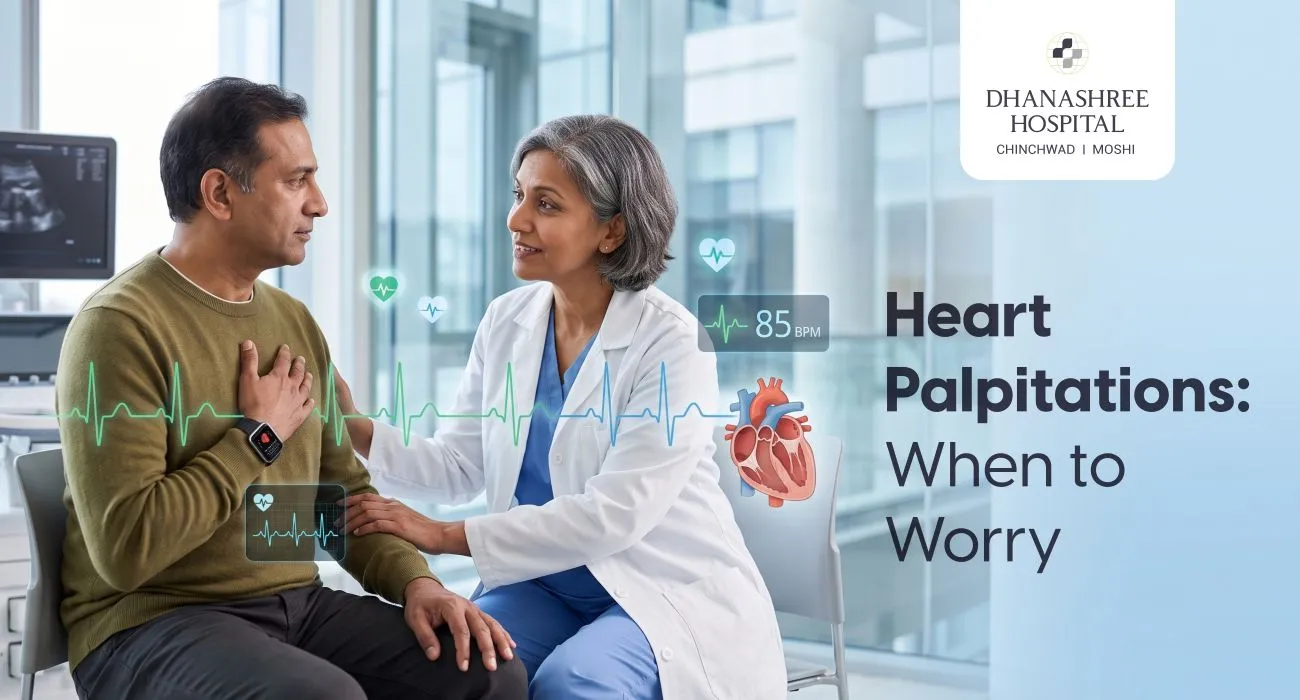
Heart palpitations are often described as a feeling that your heart is racing, pounding, fluttering, or skipping beats. While occasional palpitations are common and usually harmless, certain patterns and associated symptoms may indicate an underlying heart condition that requires medical attention.
Understanding when palpitations are normal and when they signal a concern is important for timely diagnosis and prevention of complications.
Many people experience palpitations at some point, especially during stress, excitement, or physical exertion. These episodes are typically brief and resolve on their own without treatment.
However, frequent or recurring palpitations should not be ignored.
Caffeine, Stress, and Poor Sleep Are Common Triggers
Lifestyle factors are among the most common causes of palpitations. Excess caffeine intake, anxiety, lack of sleep, and dehydration can all affect heart rhythm.
Managing these triggers through simple lifestyle changes can significantly reduce the frequency of palpitations.
Palpitations with Chest Pain Need Urgent Attention
If palpitations are accompanied by chest pain or discomfort, it may indicate a more serious cardiac issue.
In such cases, immediate evaluation through advanced cardiac services like Cardiac Care & Cathlab Treatmentis essential to rule out serious conditions.
Breathlessness Alongside Palpitations Is a Warning Sign
Shortness of breath with palpitations may suggest that the heart is not pumping efficiently.
This symptom should be evaluated promptly to prevent complications and ensure proper treatment.
Fainting or Dizziness Should Never Be Ignored
Palpitations associated with dizziness, lightheadedness, or fainting can indicate abnormal heart rhythms.
These symptoms require immediate medical assessment and monitoring.
An ECG Can Quickly Check Your Heart Rhythm
One of the simplest and most effective ways to evaluate palpitations is through an ECG.
Available at the Diagnostics Center, tests like ECG and 2D Echo help assess heart rhythm and function accurately.
Lifestyle Changes Can Reduce Palpitations
Simple adjustments such as reducing caffeine intake, managing stress, staying hydrated, and maintaining proper sleep can help control palpitations.
Regular physical activity and a balanced lifestyle also support heart health.
Untreated Arrhythmias Can Lead to Complications
Ignoring persistent palpitations may allow underlying arrhythmias to progress.
In some cases, untreated heart rhythm issues can lead to serious complications, requiring advanced care and monitoring, including support in critical units like the PICU or NICU when needed for specialized care.
When in Doubt, Get It Checked
Palpitations may seem minor, but understanding the cause is essential. Early diagnosis allows for timely treatment and prevents long-term complications.
Listen to Your Heart
Your heart rhythm is an important indicator of your overall health. Occasional palpitations may not be a concern, but persistent or unusual symptoms should never be ignored.
If you are experiencing frequent palpitations, dizziness, or discomfort, seeking medical advice can help identify the cause early. Contact us for expert cardiac evaluation, accurate diagnosis, and comprehensive care tailored to your heart health.
Frequently Asked Questions
No, occasional palpitations are usually harmless, but frequent episodes need evaluation.
Common causes include stress, caffeine, dehydration, and lack of sleep.
If they occur with chest pain, breathlessness, dizziness, or fainting.
Yes, anxiety and stress are common triggers.
ECG and 2D Echo are commonly used for evaluation.
Yes, improving sleep, reducing caffeine, and managing stress can help.
Sometimes, especially if persistent or associated with other symptoms.
If they are rare and brief, they may not need attention, but frequent episodes should be checked.