Learn what to expect when visiting the Emergency Department. Learn More

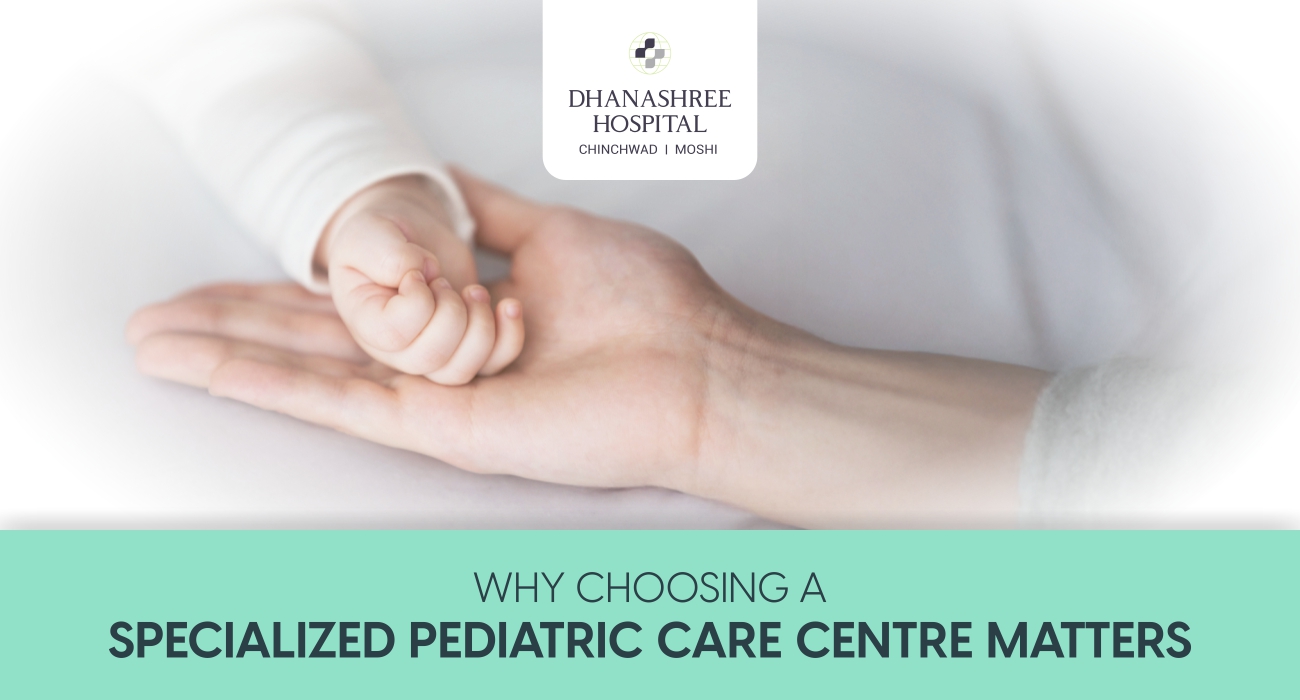
When your child falls sick or you’re about to welcome a newborn into your family, choosing the right healthcare facility can shape their entire health journey. While many hospitals offer pediatric services, specialized pediatric care hospitals stand apart in their commitment to your child’s unique needs. The difference isn’t just about having doctors who treat children, it’s about having facilities, expertise, and systems designed specifically for them.
Meet Our Team of Skilled Doctors
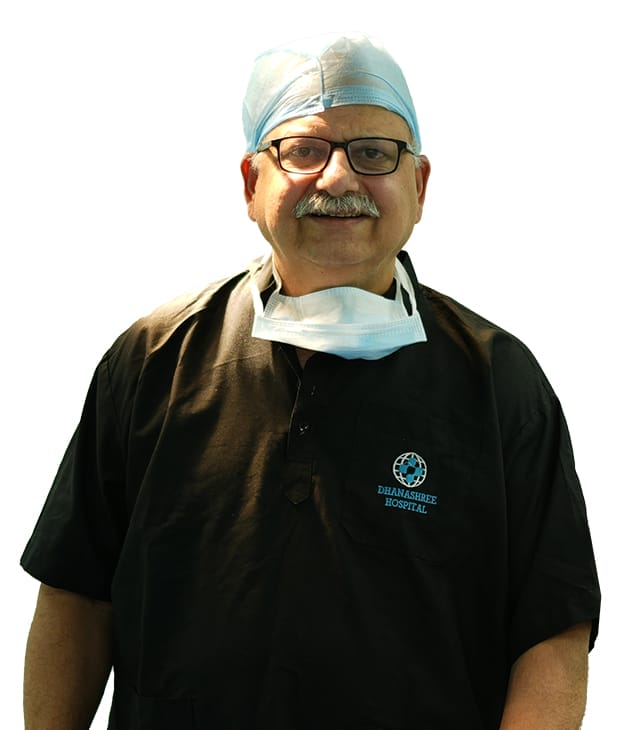
Dr. Rajeev Patwardhan
MS (Ortho) Sr. Orthopedic & Trauma Surgeon
Dr. Apoorva Patwardhan
MS (Ortho) Knee & Shoulder Specialist
Dr. Saloni Patwardhan
M.B.B.S D (Orth) Hand, Trauma & Scar Cosmetic Surgeon
Dr. Rajesh Hingwe
MBBS, DNB Ortho, D (Ortho) Robotic Joint Replacement Surgeon
Dr. Tushar Pisal
M.B.B.S MS (Ortho) Spine Surgeon
Dr. Kanchan Durugkar
MS – Obstetrics & Genecology
Dr. Pratik Ajagekar
M.B.B.S MS (Gen Surg)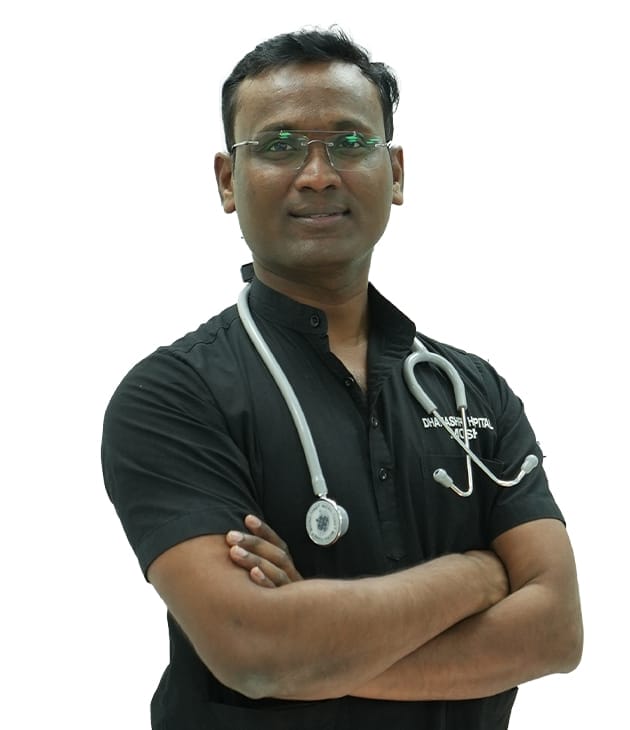
Dr. Ashvin Bhalerao
Anesthetist & IntensivistChildren Are Not Small Adults: Why Specialization Matters
Children require fundamentally different healthcare approaches than adults. Their bodies are still developing, their immune systems are building strength, and their medical needs change rapidly as they grow. This is where pediatric specialists make a real difference.
Board-certified pediatricians receive specialized training dedicated exclusively to the health of infants, children, and adolescents. Unlike general practitioners who treat all age groups, pediatricians develop a nuanced understanding of what’s typical at every stage of childhood and what demands urgent intervention. A rash that may be harmless in an adult can signal a serious concern in a newborn, and a fever pattern that might not alarm a family doctor could indicate a critical infection in an infant. In advanced settings like a PICU, this specialized expertise becomes essential, ensuring that even the most subtle changes in a child’s condition are identified and managed without delay.
Research shows that pediatricians and family doctors approach child care quite differently. When faced with similar cases, general pediatricians made more thoughtful, child-specific decisions compared to family practitioners, demonstrating the value of specialized training. This isn’t about judgment it’s about the depth of knowledge that comes from focused expertise.
The Power of Preventive Care: Catching Problems Early
One of the most important roles of specialized pediatric hospitals is prevention. Regular well-child visits form the foundation of children’s health, yet many parents don’t realize how crucial these preventive check-ups truly are.
During these visits, pediatricians monitor developmental milestones—the skills and abilities children should master at specific ages. About 85% of a child’s brain develops by age five, making early childhood absolutely critical. A trained pediatrician can identify if your child is slightly behind in reaching these milestones and connect your family with resources before small concerns become bigger problems.
Pediatricians also administer vaccinations according to precise schedules, provide nutritional guidance, assess growth patterns, and screen for early signs of developmental delays. They monitor not just physical growth but also cognitive and emotional development, catching issues like hearing problems, vision concerns, or speech delays early when intervention is most effective.
The benefits extend far beyond childhood. Children who receive continuous, comprehensive preventive care from pediatricians experience better long-term health outcomes and are more likely to maintain good health habits into adulthood. It’s an investment in your child’s future.
Advanced Neonatal Care: The Specialized Environment Newborns Need
For parents of premature or critically ill newborns, access to a NICU (Neonatal Intensive Care Unit) is life-changing. India still faces challenges with neonatal mortality, accounting for approximately one-third of all child deaths, with about 750,000 newborn deaths occurring annually. Much of this burden falls on vulnerable populations in areas lacking adequate neonatal facilities.
Modern NICUs are equipped with sophisticated technology that simply isn’t available in general hospitals. Double-walled servo-controlled incubators maintain precise temperature regulation for fragile infants. Advanced ventilators can deliver even the tiniest, safest breaths to premature babies with underdeveloped lungs. Non-invasive support options like CPAP (Continuous Positive Airway Pressure) and high-flow oxygen therapy have revolutionized care, reducing the need for mechanical ventilation and its associated complications.
Beyond equipment, specialized NICUs employ trained neonatologists and experienced nursing staff who understand the unique physiology of newborns. These teams coordinate antenatal care with obstetricians, administer surfactant therapy for respiratory distress, provide specialized nutrition support, and continuously monitor vital signs using real-time data tracking. The expertise matters tremendously—premature infants require nearly 40% more nursing care than older children just to address their physical and emotional needs.
Recent advancements are pushing outcomes even further. Artificial intelligence and machine learning help predict and manage neonatal conditions early, while telemedicine connects remote facilities to specialists in cities. Point-of-care testing devices enable rapid diagnosis of critical conditions like blood gas imbalances and infections, allowing quick clinical decisions that can be lifesaving.
Integrated Care: The Medical Home Approach
Specialized pediatric hospitals function as what healthcare experts call a “medical home”—a coordinated center where all of your child’s care comes together. Instead of juggling multiple clinics and having different doctors view your child in isolation, a specialized pediatric hospital ensures continuity and coordination.
When your child needs a specialist—like a pediatric cardiologist or neurologist—the system makes appropriate referrals and ensures communication between providers. Your child’s complete medical history is available to everyone involved in their care. This integrated approach significantly reduces medical errors, ensures nothing falls through the cracks, and provides comprehensive care tailored to your child’s specific situation.
Quality of Care and Research Innovation
Children’s hospitals and specialized pediatric facilities serve as centers for cutting-edge research and development. The innovations developed in these centers benefit not just the patients treated there, but eventually help children everywhere. Treatments like modern surfactant therapy for respiratory distress, advanced ventilation strategies, and minimally invasive surgical techniques all originated in specialized pediatric facilities through rigorous research and clinical trials.
Staff at specialized hospitals also participate in continuous medical education, staying updated with the latest evidence-based practices. This means your child benefits from current best practices rather than outdated approaches that might still be used in general facilities.
India’s Progress and the Role of Specialized Care
India has made remarkable strides in reducing infant and neonatal mortality over the past two decades. The neonatal mortality rate declined from 44 deaths per 1,000 live births in 2000 to 20 per 1,000 live births by 2020. These improvements came partly through government initiatives establishing Special Newborn Care Units (SNCUs) and Newborn Baby Corners across the country, but also through private specialized facilities stepping up with advanced care.
Despite this progress, access remains unequal. Specialized facilities remain concentrated in urban private hospitals, with significant gaps in rural and semi-urban areas. For families in Maharashtra, Pune, and Mumbai, having access to a dedicated pediatric care hospital with advanced neonatal facilities significantly improves the chances of optimal health outcomes for premature, critically ill, or complex newborns.
Child-Friendly Care Beyond Clinical Expertise
Specialized pediatric hospitals understand that healing involves more than medicine. Facilities are designed to be child-friendly—smaller equipment, colorful environments, and approaches that reduce the fear and anxiety children naturally feel about medical care. Staff members are trained not just in medical skills but in communicating with children in age-appropriate ways, involving parents in care decisions, and providing emotional support alongside clinical treatment.
This family-centered approach isn’t a luxury it’s therapeutic. Children who feel safe and supported recover better and experience less trauma from their medical experiences. Parents who are involved in decisions and understand their child’s condition can provide better support at home during recovery.
Making the Right Choice for Your Child
Choosing a specialized pediatric care hospital means choosing expertise specifically focused on your child. It means access to preventive care that catches problems early, advanced neonatal facilities capable of handling the most critical newborns, coordinated care that leaves nothing to chance, and an environment designed specifically for children. When your child’s health is on the line, specialized care makes a measurable difference.
For families in Pune and surrounding areas, this choice is more accessible than ever with modern pediatric hospitals offering comprehensive services from preventive care to advanced neonatal and pediatric intensive care. Your child deserves specialists who know them completely—that’s the real difference specialized care makes.
Frequently Asked Questions
It's best to establish care with a pediatrician from birth or even during pregnancy. Specialized pediatricians provide structured preventive care from the first weeks of life, monitoring developmental milestones, vaccines, and growth patterns. While general doctors can manage some childhood care, pediatricians have training specifically for children's unique needs across all age groups.
Check for board-certified neonatologists on staff, advanced technology like servo-controlled incubators and modern ventilators, 24/7 monitoring capabilities, trained nursing staff specialized in neonatal care, and documented experience with premature and critically ill newborns. Ask about their neonatal mortality rates and outcomes compared to national averages.
Preventive visits are recommended at birth or within 2 weeks, then at 1, 2, 4, 6, and 9 months during the first year. After that, children typically need annual well-child visits during school years. These visits include growth monitoring, developmental screening, vaccinations, and guidance on nutrition and safety.
Telemedicine is excellent for follow-up consultations, quick concerns, and continuity between visits, especially in remote areas. However, some care requires in-person evaluation—physical exams, certain screenings, and developmental assessments. The best approach combines both—in-person visits for thorough evaluation and telemedicine for convenience when appropriate.
Specialized pediatric hospitals focus entirely on children, meaning all staff, equipment, protocols, and facility design are optimized for pediatric patients. General hospitals manage both adults and children, which can result in adult-sized equipment, less specialized staff training, and care approaches that aren't specifically suited to childhood conditions and development.