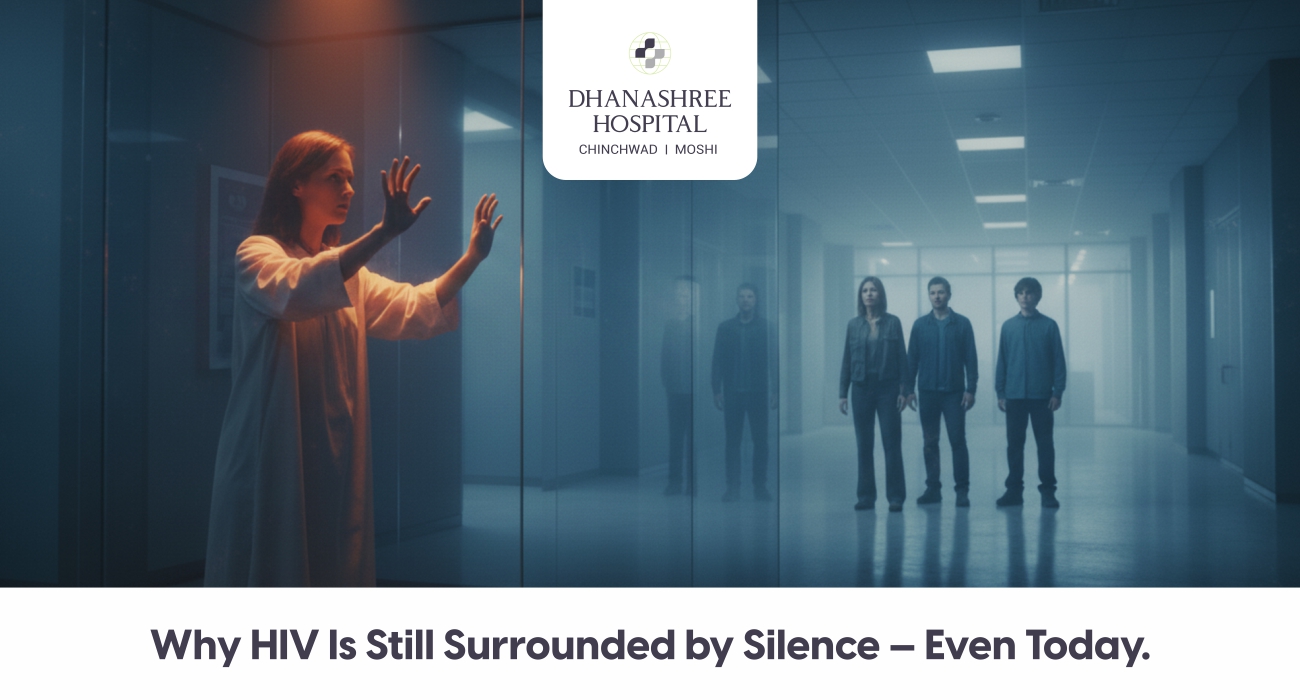
Despite decades of medical advancement, awareness campaigns, and global efforts, HIV continues to be surrounded by silence. While information about prevention, testing, and treatment is more accessible than ever, conversations around HIV remain limited, uncomfortable, and often avoided.
On World AIDS Vaccine Day, the focus is not only on scientific progress but also on the social barriers that continue to delay awareness, testing, and timely care. Understanding why this silence still exists is essential to bridging the gap between knowledge and action.
The lack of open discussion about HIV is not due to a lack of information. Instead, it is deeply rooted in social, emotional, and cultural factors that continue to influence how people perceive the condition.
Even today, many individuals hesitate to talk about HIV openly, not because they do not know about it, but because of how it is perceived.
Fear of Judgment Still Exists
One of the biggest reasons behind the silence is the fear of being judged. HIV is often associated with stigma, leading people to worry about how others may perceive them.
This fear prevents individuals from seeking information, getting tested, or even discussing their concerns with healthcare providers.
Avoidance of Testing Due to Anxiety
For many, the idea of getting tested for HIV brings anxiety. The fear of a positive result, combined with uncertainty about the future, leads people to delay or avoid testing altogether.
This delay can result in late diagnosis, making treatment more complex and increasing health risks.
The “It Won’t Happen to Me” Mindset
A common misconception is that HIV only affects certain groups of people. This belief creates a false sense of security, causing individuals to underestimate their own risk. As a result, preventive measures and regular testing are often neglected.
Lack of Open Conversations in Families
In many households, topics related to sexual health are rarely discussed. This lack of communication limits awareness and prevents individuals from asking questions or seeking guidance.
Without open conversations, myths and misunderstandings continue to persist across generations.
Misinformation About Transmission
Despite widespread awareness campaigns, incorrect information about how HIV spreads still exists. Some people continue to believe in myths that are not medically accurate.
This misinformation not only increases fear but also contributes to stigma and discrimination against those living with HIV.
Association with Stigma-Heavy Narratives
HIV has historically been linked with stigma, fear, and social exclusion. These associations continue to influence how people view the condition today.
Such narratives make it difficult for individuals to talk openly about HIV, even in safe environments.
Delay in Diagnosis Due to Denial
Denial is another major factor. Individuals who suspect they may be at risk often avoid testing or medical consultation, hoping the issue will resolve on its own.
This delay can lead to late-stage diagnosis, affecting treatment outcomes and overall health.
Discomfort Around Discussing Sexual Health
Conversations around sexual health are still considered uncomfortable in many communities. This discomfort prevents people from asking important questions or seeking clarity.
Without open dialogue, awareness remains incomplete.
Concerns About Social Consequences
People often worry about how an HIV diagnosis might affect their relationships, career, or social standing. Fear of isolation or discrimination can discourage individuals from seeking help.
This concern reinforces silence and delays necessary action.
The Gap Between Awareness and Action
While awareness about HIV has increased over the years, there is still a gap between knowing and acting. Many individuals are aware of HIV but do not take preventive steps or undergo regular testing.
Bridging this gap requires not just information, but also a supportive environment that encourages open conversation and reduces stigma.
Moving Towards Open Conversations
Breaking the silence around HIV begins with normalising conversations. Encouraging open, judgment-free discussions helps reduce fear and stigma. Access to accurate information, regular testing, and early medical care can significantly improve outcomes and quality of life.
Healthcare systems, families, and communities all play a role in creating an environment where individuals feel safe to seek help.
Why Awareness Must Turn Into Action
HIV is no longer a condition defined only by medical challenges. Today, one of the biggest barriers is the silence that surrounds it. Fear, stigma, misinformation, and social discomfort continue to prevent people from taking timely action.
Addressing these barriers requires a shift in how we talk about HIV. When conversations become more open, informed, and empathetic, individuals are more likely to seek testing, access care, and protect their health.
Breaking the silence around HIV starts with awareness, understanding, and action. If you have concerns, questions, or are considering testing, seeking timely medical guidance can make a significant difference. Creating a safe space for conversations and early care helps reduce stigma and supports better health outcomes.
Frequently Asked Questions
Due to stigma, fear of judgment, and lack of open conversations about sexual health.
Yes, HIV continues to affect millions globally, though treatment and management have improved significantly.
Fear, anxiety, and concern about social consequences often lead to avoidance.
Yes, early diagnosis allows effective treatment and a better quality of life.
Yes, many myths about transmission and risk still exist.
Yes, stigma can delay diagnosis and discourage individuals from seeking care.
They help spread awareness, reduce stigma, and encourage preventive action.
Bridging the gap between awareness and actual action like testing and prevention.