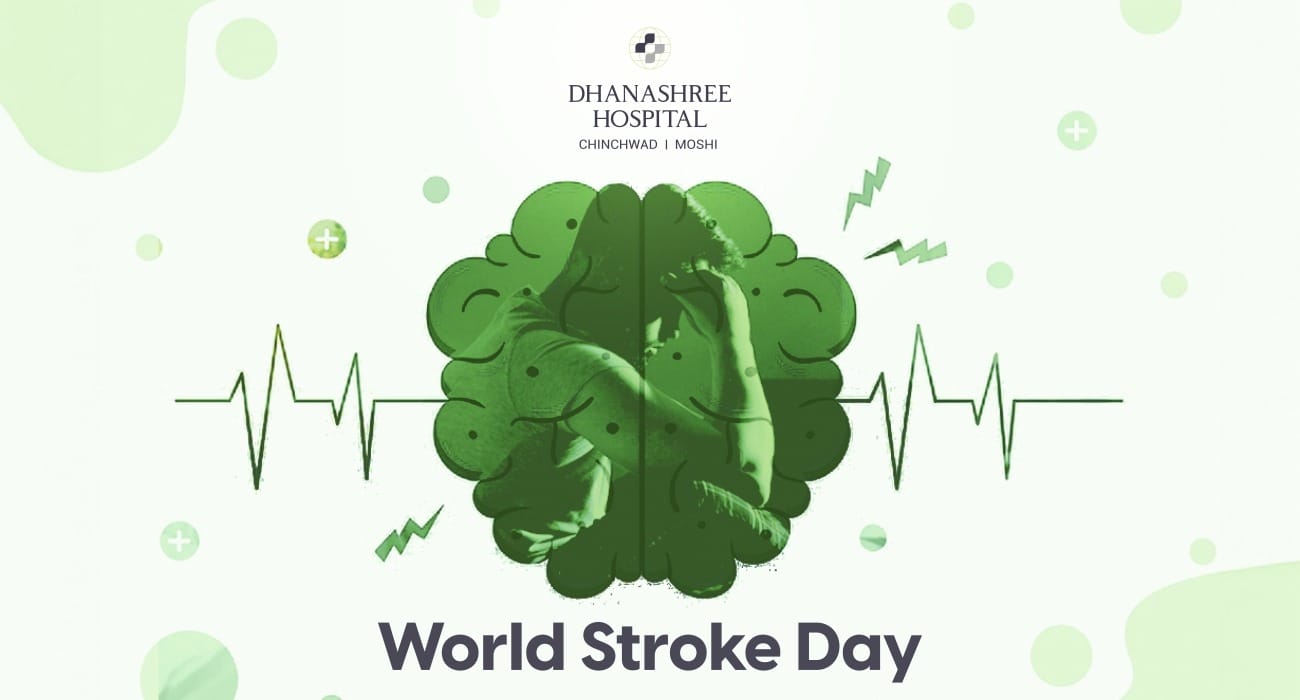
Every year on October 29, the world comes together to observe World Stroke Day. This global event aims to spread awareness about the causes, prevention, and treatment of stroke. It reminds us that stroke can happen to anyone, but with the right knowledge and quick action, it is possible to prevent or minimize its effects. Millions of lives are affected by stroke every year, yet a large number of cases can be prevented through lifestyle changes and early detection.
The World Stroke Organization (WSO) established World Stroke Day to educate people about this serious medical condition. The goal is not just to raise awareness but to inspire people to take preventive action. Quick recognition of stroke symptoms and timely medical care can significantly improve the chances of survival and recovery.
The 2025 Theme: Together We Can End Stroke
The theme for World Stroke Day 2025 is “Together We Can End Stroke.” It emphasizes the importance of collective action among individuals, healthcare professionals, and communities. By working together, promoting healthy habits, and supporting public awareness, we can reduce the global burden of stroke.
What Happens During a Stroke
A stroke occurs when blood flow to a part of the brain is interrupted or reduced. This prevents brain tissue from getting enough oxygen, leading to the death of brain cells within minutes. A stroke is a medical emergency that requires immediate attention.
The Science Behind a Stroke: Ischemic and Hemorrhagic
There are two main types of strokes:
Ischemic Stroke: Caused by a blockage in the arteries that supply blood to the brain.
Hemorrhagic Stroke: Caused by bleeding within or around the brain due to a burst blood vessel.
Common Risk Factors You Should Know
High blood pressure, diabetes, high cholesterol, smoking, obesity, and physical inactivity are among the most common risk factors. Stress, excessive alcohol intake, and an unhealthy diet can also increase the chances of having a stroke.
Recognizing Stroke Symptoms Early: The FAST Method
When it comes to stroke, time is critical. The FAST method helps you remember the key symptoms and the importance of quick action:
F – Face Drooping: One side of the face may feel numb or droop.
A – Arm Weakness: The person may not be able to lift one arm.
S – Speech Difficulty: Slurred or unclear speech can occur.
T – Time to Act: Call emergency services immediately.
Why Immediate Medical Help Matters
Getting medical help as soon as symptoms appear can save a life. Treatments like clot-busting medication and advanced stroke procedures are most effective when given early. Delaying treatment can lead to permanent brain damage.
10 Effective Ways to Prevent a Stroke Naturally
Manage Blood Pressure Levels Keep your blood pressure under control by monitoring it regularly and following your doctor’s advice.
Eat a Heart-Healthy Diet Choose fresh fruits, vegetables, lean proteins, and foods rich in omega-3 fatty acids.
Stay Physically Active Exercise for at least 30 minutes every day. Regular activity helps keep your heart and blood vessels healthy.
Control Blood Sugar and Cholesterol Regular testing and medication (if needed) help prevent plaque buildup in arteries.
Limit Alcohol and Avoid Smoking Both smoking and excessive alcohol intake increase the risk of stroke.
Maintain a Healthy Weight A balanced diet and physical activity help you achieve and maintain a healthy body weight.
Manage Stress Effectively Practice relaxation techniques such as yoga, meditation, or deep breathing.
Get Regular Health Checkups Regular visits to your doctor can help detect and manage risk factors early.
Know Your Family History If stroke runs in your family, discuss preventive steps with your healthcare provider.
Recognize Early Warning Signs If you or someone else experiences symptoms of stroke, seek emergency care immediately.
Life After a Stroke: Hope and Rehabilitation
The Role of Rehabilitation in Recovery
Rehabilitation plays a key role in helping stroke survivors regain strength and independence. Physical therapy, occupational therapy, and speech therapy are essential parts of the recovery process.
Mental Health Support and Family Involvement
Recovery from a stroke also involves emotional healing. Family support, counseling, and positive motivation are crucial for long-term recovery.
How Hospitals Play a Key Role in Stroke Care
Emergency Response and Treatment at Specialized Centers
Hospitals with advanced stroke care units provide rapid and accurate diagnosis through imaging such as CT or MRI scans. Immediate treatment helps reduce the risk of disability and improves recovery outcomes.
Importance of Multidisciplinary Stroke Units
Stroke care requires collaboration among neurologists, physiotherapists, speech therapists, and nurses. Working together ensures that every patient receives complete and personalized care.
Global Impact of Stroke Awareness Campaigns
How Awareness Saves Lives Worldwide
Awareness programs and community initiatives have significantly reduced the number of stroke-related deaths. When people understand the warning signs and act quickly, more lives are saved.
Role of Digital Media in Spreading Information
Online campaigns, health blogs, and social media platforms have made it easier for hospitals and organizations to educate the public about stroke prevention and treatment.
Join Dhanashree Hospital in the Fight Against Stroke
At Dhanashree Hospital, we are committed to educating people about stroke prevention and providing world-class stroke care. Our team of experienced doctors, neurologists, and rehabilitation specialists work together to ensure that patients receive prompt and effective treatment.
If you or your loved one notices any signs of stroke, seek medical help immediately. Contact Dhanashree Hospital for expert consultation, emergency care, and personalized recovery programs.
World Stroke Day reminds us that awareness and prevention are the strongest tools against stroke. By maintaining a healthy lifestyle, understanding the warning signs, and taking action early, we can protect ourselves and those we love.
Dhanashree Hospital proudly supports stroke awareness and offers advanced stroke treatment and rehabilitation services. This World Stroke Day, let us all commit to spreading knowledge and helping create a healthier, stroke-free future.
Frequently Asked Questions
World Stroke Day is celebrated every year on October 29 to raise awareness about stroke prevention and treatment.
High blood pressure, diabetes, smoking, and high cholesterol are among the main causes.
Up to 80 percent of strokes can be prevented through healthy lifestyle choices and regular medical checkups.
Call emergency services immediately and note the time when symptoms started. Quick medical care can save a life.
The recovery period varies for each person, depending on the severity of the stroke and the type of rehabilitation provided.
Early treatment can prevent brain damage, improve recovery chances, and reduce complications.