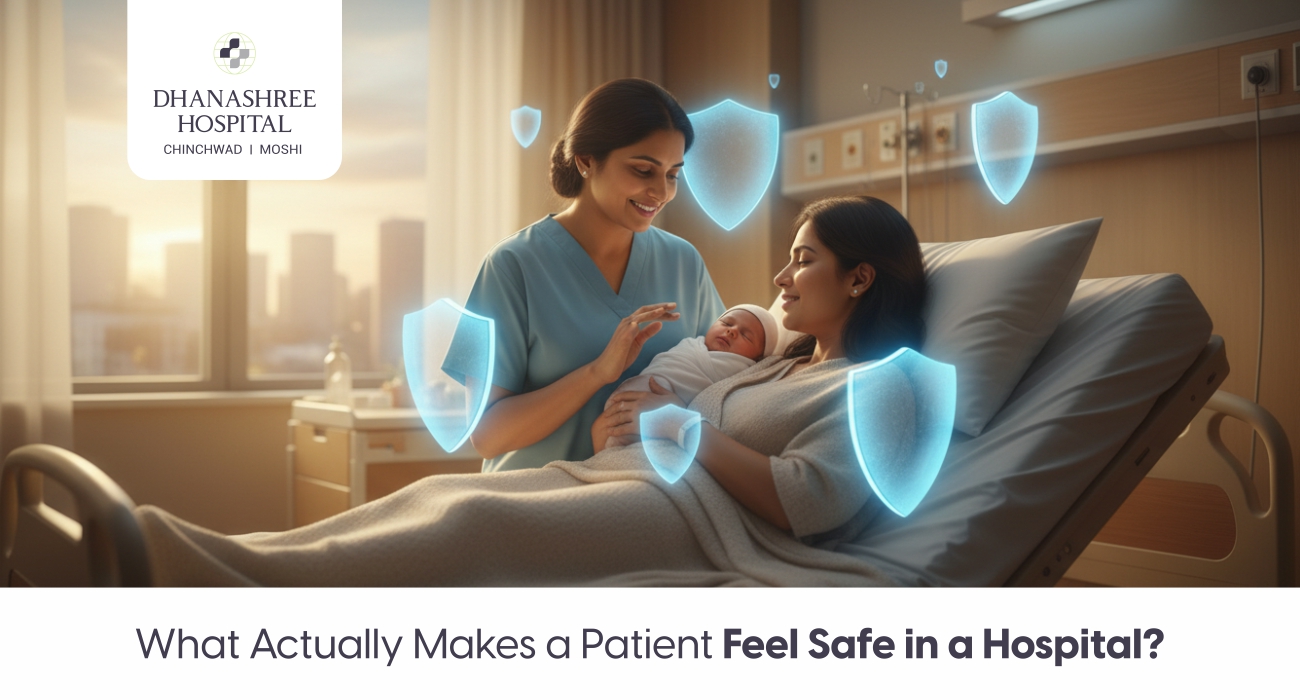
When people think about hospitals, they often focus on treatment, technology, and clinical expertise. While these are essential, what truly shapes a patient’s experience is something more personal: the feeling of safety. Safety is not only about medical outcomes; it is about how patients are treated, how they are spoken to, and how they are supported throughout their journey.
On occasions like International Day of the Midwife, it becomes even more important to recognise the role of compassionate care. Midwives, nurses, and frontline caregivers are often the ones who create a sense of comfort, reassurance, and trust during some of life’s most vulnerable moments.
A patient may receive the best medical care, but without emotional comfort and clear communication, the experience can still feel overwhelming. True safety in a hospital comes from feeling understood, respected, and supported at every step.
It is the small, consistent actions that build trust and make patients feel at ease.
Being Listened To
One of the most powerful ways to make a patient feel safe is simply by listening. When patients feel heard without interruption or dismissal, it builds confidence and trust.
Caregivers who take the time to understand concerns, symptoms, and emotions help patients feel valued and reassured.
Clear Explanations
Medical situations can often be confusing. Clear, simple explanations about diagnosis, procedures, and next steps help reduce anxiety.
When patients understand what is happening and why, they feel more in control of their situation and less fearful of the unknown.
Staff Responsiveness
Prompt responses to patient needs whether it is pain, discomfort, or a simple query create a sense of reliability.
Knowing that help is available and attentive at all times contributes significantly to a patient’s feeling of safety.
Tone of Communication
How something is said matters just as much as what is said. A calm, respectful, and empathetic tone can instantly ease anxiety.
Healthcare professionals who communicate wi
A Clean and Calm Environment
The physical environment plays a major role in how safe a patient feels. Cleanliness, hygiene, and a calm atmosphere contribute to both physical and emotional comfort.
A well-maintained space reassures patients that their health and wellbeing are being prioritised.
Consistency in Care
Seeing familiar faces and receiving consistent information from the care team builds trust. When patients do not have to repeat their concerns multiple times, it shows coordination and attention to detail. Consistency helps patients feel that their care is organised and dependable.
Emotional Reassurance
Hospitals can be overwhelming, especially during critical or sensitive moments such as childbirth. Emotional reassurance from caregivers makes a significant difference.
Midwives and nurses often play a key role here offering encouragement, comfort, and presence when it is needed most.
Transparency in the Process
Patients feel safer when they know what to expect. Being transparent about procedures, waiting times, and possible outcomes helps reduce uncertainty.
Honest communication builds trust and allows patients to mentally prepare for each step of their care journey.
Quick Response to Discomfort
Pain or discomfort can increase anxiety. Quick attention to such concerns reassures patients that their wellbeing is a priority.
Even small actions like adjusting a pillow or addressing a concern promptly can have a big impact on comfort.
Feeling Remembered, Not Repeated
Patients feel more secure when caregivers remember their case, preferences, and previous concerns. It creates a sense of personalised care rather than a transactional experience.
This continuity strengthens trust and makes the patient feel genuinely cared for.
The Quiet Strength of Caregivers
While doctors often lead treatment plans, it is nurses and midwives who spend the most time with patients. Their presence, attentiveness, and compassion are often what patients remember long after they leave the hospital.
They are the ones who notice subtle changes, offer reassurance during uncertainty, and provide comfort during critical moments. Their role in making patients feel safe is invaluable.
Feeling safe in a hospital is not just about advanced treatment or medical expertise. It is about the overall experience, being heard, understood, and cared for with empathy and consistency.
Every interaction, every response, and every moment of reassurance contributes to building trust. When hospitals focus on these human aspects of care, they create an environment where patients feel not just treated, but truly supported.
Don’t Wait for Worry, Schedule your Appointment Today!
Patients feel safest with hospitals that prove it through actions. Schedule your reassuring visit now and join thousands who’ve found comfort in our proven safety-first approach.
Frequently Asked Questions
Clear communication, responsiveness, empathy, and a clean environment all contribute to a sense of safety.
It helps patients understand their condition and reduces anxiety.
They provide continuous care, emotional support, and reassurance.
Yes. Clean and calm surroundings significantly impact how safe a patient feels.
It builds trust and reduces confusion for patients.
Yes. Emotional reassurance can improve overall patient wellbeing and recovery experience.
Quick responses show attentiveness and improve patient confidence.
Through transparency, empathy, and personalised care.