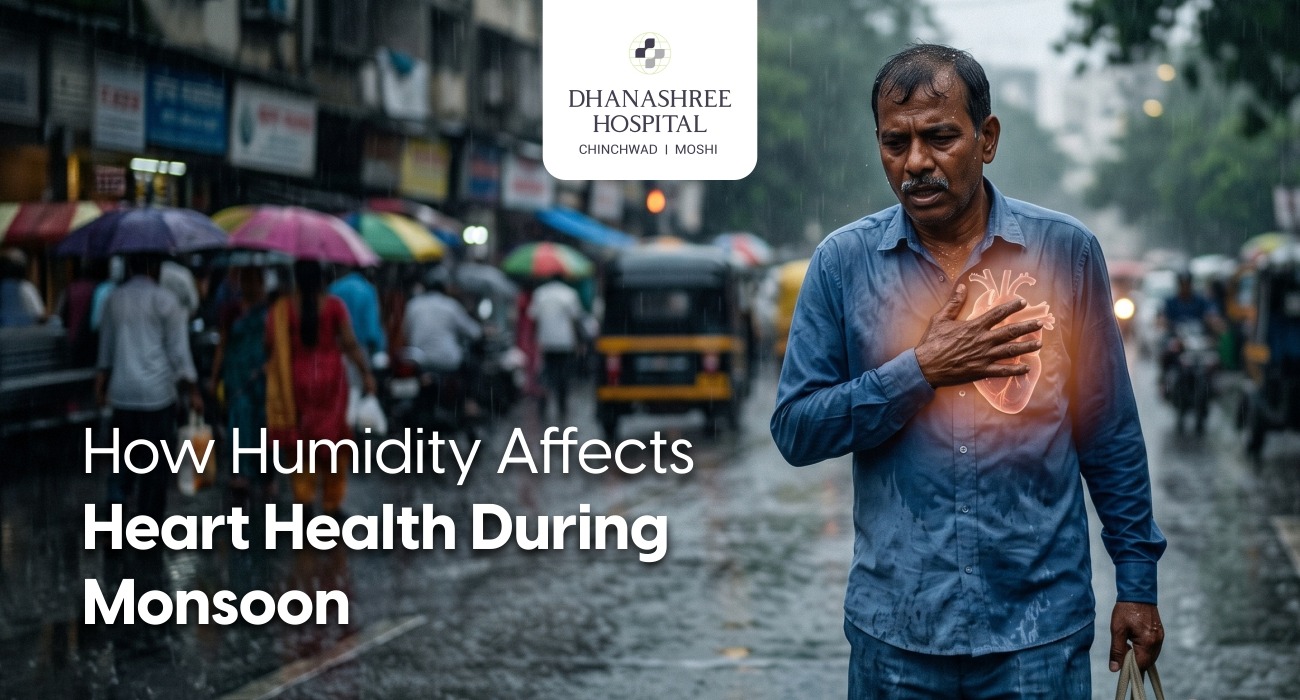
The monsoon season brings relief from heat, but increased humidity can quietly impact your health, especially your heart. High moisture levels in the air make it harder for the body to regulate temperature, placing additional strain on the cardiovascular system.
For individuals with existing heart conditions, as well as those at risk, understanding how humidity affects the body is essential for staying safe during the rainy season. With the right precautions and timely care, many of these risks can be managed effectively.
During humid weather, the body struggles to cool itself through sweating because sweat does not evaporate easily. This forces the heart to work harder to maintain normal body temperature.
As a result, the heart pumps more blood, increasing cardiovascular strain, especially in individuals with pre-existing heart conditions.
Excess Sweating May Lead to Dehydration
Even though the weather feels cooler, high humidity can still cause excessive sweating. This leads to fluid loss, which may result in dehydration if not replenished properly.
Dehydration reduces blood volume, making it harder for the heart to circulate blood efficiently.
For accurate evaluation of hydration and electrolyte balance, timely lab testing through advanced diagnostic facilities can help identify imbalances early. Learn more about available services at the DiagnosticsCenter.
Blood Pressure Fluctuations Become More Common
Humidity and dehydration can both affect blood pressure levels. Some individuals may experience sudden drops, leading to dizziness, while others may notice elevated readings due to increased cardiac workload.
Monitoring blood pressure regularly during the monsoon is essential, especially for those with hypertension or heart disease.
Reduced Physical Activity Affects Circulation
Rainy weather often limits outdoor movement, leading to reduced physical activity. Lack of exercise can affect blood circulation and overall cardiovascular fitness.
Maintaining light indoor activity is important to keep the heart healthy and circulation active.
Excess Salt Intake Can Impact Blood Pressure
Monsoon cravings often include fried and salty foods. Increased salt intake can lead to water retention and elevated blood pressure, adding further strain on the heart.
Balancing diet and reducing sodium intake is key to maintaining stable heart health during this season.
Humidity Can Worsen Fatigue
Many people experience unexplained fatigue during humid weather. This happens because the body uses more energy to regulate temperature.
When fatigue is persistent, it may also be linked to underlying cardiovascular stress and should not be ignored.
Extra Care for Cardiac Patients
Individuals with pre-existing heart conditions need to take additional precautions during the monsoon. Conditions like coronary artery disease, heart failure, or hypertension may become more sensitive to environmental changes.
Regular monitoring through tests such as ECG is essential. You can explore cardiac diagnostic services like ECG (Electrocardiogram) for timely evaluation.
For more advanced cardiac assessment, facilities like Cath Lab support procedures such as angiography and angioplasty when required.
Proper Hydration Is Essential
Staying hydrated is one of the simplest and most effective ways to support heart health during humid weather. Drinking adequate water helps maintain blood volume and supports proper circulation.
Including fluids like coconut water and electrolyte-rich drinks can also help maintain balance.
Continue Light Exercise Regularly
While outdoor workouts may be limited, maintaining a routine with light indoor exercises like walking, stretching, or yoga is beneficial.
Preventive care plays a crucial role in managing heart health. Regular checkups help detect early changes and prevent complications.
Advanced imaging like CT Scan can provide deeper insights when needed, especially in high-risk patients.
Timely consultation and diagnostic support can significantly reduce long-term risks.
Prioritise Your Heart This Monsoon
Humidity during the monsoon may seem harmless, but it can have a significant impact on heart health if not managed carefully. From dehydration and blood pressure fluctuations to increased strain on the heart, these changes can affect overall wellbeing, especially in individuals with existing conditions.
Taking simple steps such as staying hydrated, maintaining physical activity, and monitoring your health regularly can make a meaningful difference. If you experience symptoms like fatigue, dizziness, or irregular heart function, early medical evaluation is essential.
For comprehensive cardiac care and advanced diagnostics, Contact us and ensure your heart stays protected through every season.
Frequently Asked Questions
Yes, high humidity increases strain on the heart and affects circulation.
Yes, it reduces blood volume and makes the heart work harder.
Humidity and fluid loss can cause sudden changes in blood pressure.
Yes, environmental changes can worsen existing conditions.
Yes, light indoor exercise is recommended.
Yes, high salt intake can increase blood pressure.
If you experience fatigue, dizziness, or irregular heartbeat.
Yes, they help detect and prevent complications early.