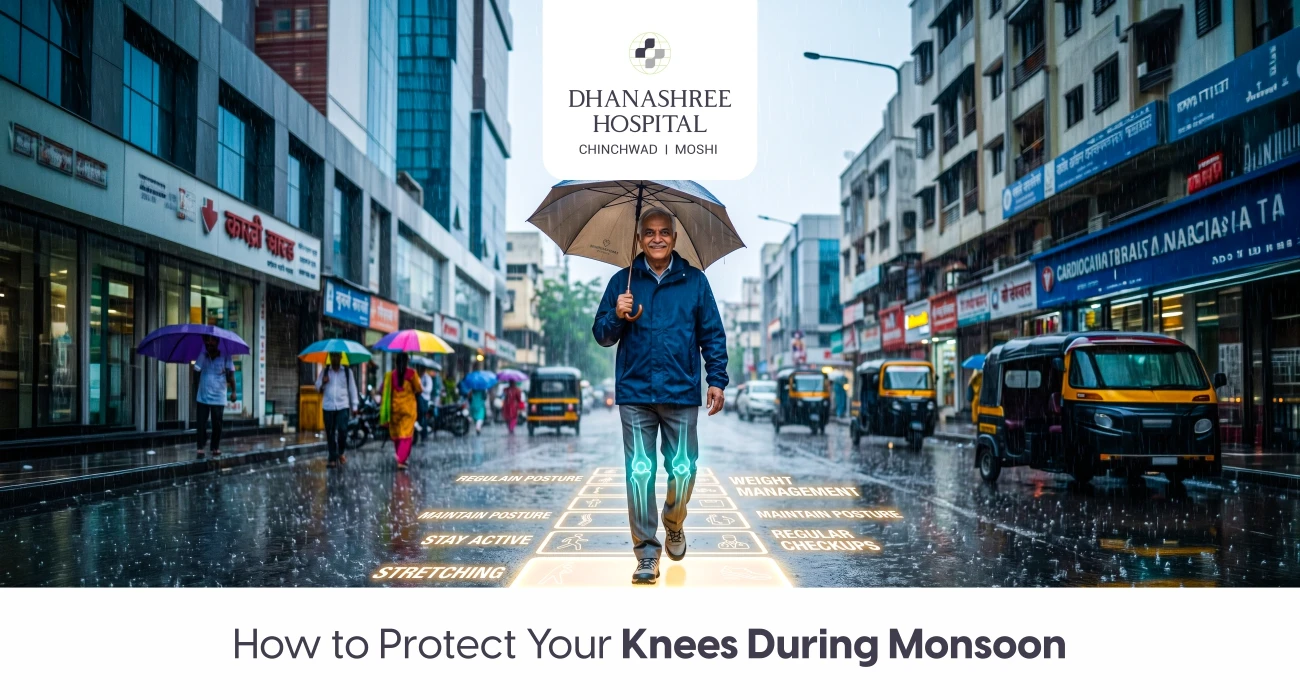
The monsoon season brings cooler weather and relief from heat, but it can also increase the risk of joint discomfort, stiffness, and injuries, especially affecting the knees. Slippery surfaces, reduced activity, and humidity can all impact joint health.
Taking preventive steps and understanding when to seek the right care can help you maintain mobility and avoid long-term complications.
Humidity can affect joint flexibility, while reduced physical activity may lead to stiffness. For individuals already dealing with joint concerns or previous injuries, symptoms may feel more pronounced during this season.
Wet floors and muddy pathways increase the risk of falls, which can directly impact knee joints.
In case of sports-related slips or ligament strain, timely evaluation through Sports Injury Care helps prevent complications.
Wear Supportive Footwear
Footwear with proper grip and support helps reduce pressure on the knees and improves balance. Avoid flat or slippery soles that increase instability.
Keep Joints Warm and Active
Cold and damp conditions can lead to stiffness. Keeping joints warm and ensuring regular movement helps maintain flexibility.
Avoid Sitting in One Position for Too Long
Long sitting hours reduce circulation and cause stiffness. Regular movement improves joint lubrication and flexibility.
If stiffness persists or worsens, consulting specialists under General Surgery or orthopaedic care can help evaluate underlying concerns.
Maintain a Healthy Body Weight
Excess weight increases stress on knee joints, accelerating wear and tear. Maintaining a healthy weight reduces joint pressure and improves long-term mobility.
In some cases where weight significantly impacts joint health, structured medical support like Bariatric Surgery may be recommended.
Stretch Regularly at Home
Simple stretching exercises improve flexibility and reduce stiffness. Consistency is key to maintaining joint health.
Stay Physically Active Indoors
Indoor activities like walking, yoga, or light workouts help maintain circulation and strengthen muscles supporting the knees.
Follow Proper Posture Habits
Incorrect posture while sitting or standing can increase knee strain. Maintaining alignment reduces long-term joint stress.
Avoid Excessive Strain on Knees
Sudden movements, heavy lifting, or overexertion can lead to injury. Controlled movement helps protect joint integrity.
For severe joint damage or degeneration, advanced procedures like Endoscopic Spine Surgery or joint interventions may be considered based on diagnosis.
Consult Specialists for Persistent Pain
Persistent knee pain should not be ignored. Early diagnosis helps prevent worsening conditions and supports faster recovery.
Advanced imaging and evaluation through the Diagnostics Center including MRI, CT Scan, and X-Ray provide accurate insights into joint health.
Protecting Your Knees This Monsoon
Monsoon may bring lifestyle changes, but your joint health should remain a priority. Simple steps like staying active, wearing proper footwear, and avoiding strain can significantly reduce the risk of knee pain and injury.
If discomfort persists or affects your daily activities, timely medical care can prevent long-term complications. Contact us to get expert guidance and comprehensive care tailored to your joint health needs.
Frequently Asked Questions
Humidity and reduced movement can cause stiffness and discomfort.
Yes, falls can lead to ligament damage or joint strain.
Yes, light indoor exercise is recommended.
Yes, excess weight increases pressure on knee joints.
If pain persists, worsens, or affects mobility.
MRI, CT scan, and X-rays are commonly used.
Yes, depending on severity, many conditions can be managed conservatively.
Yes, procedures like arthroscopy and robotic joint replacement are available.