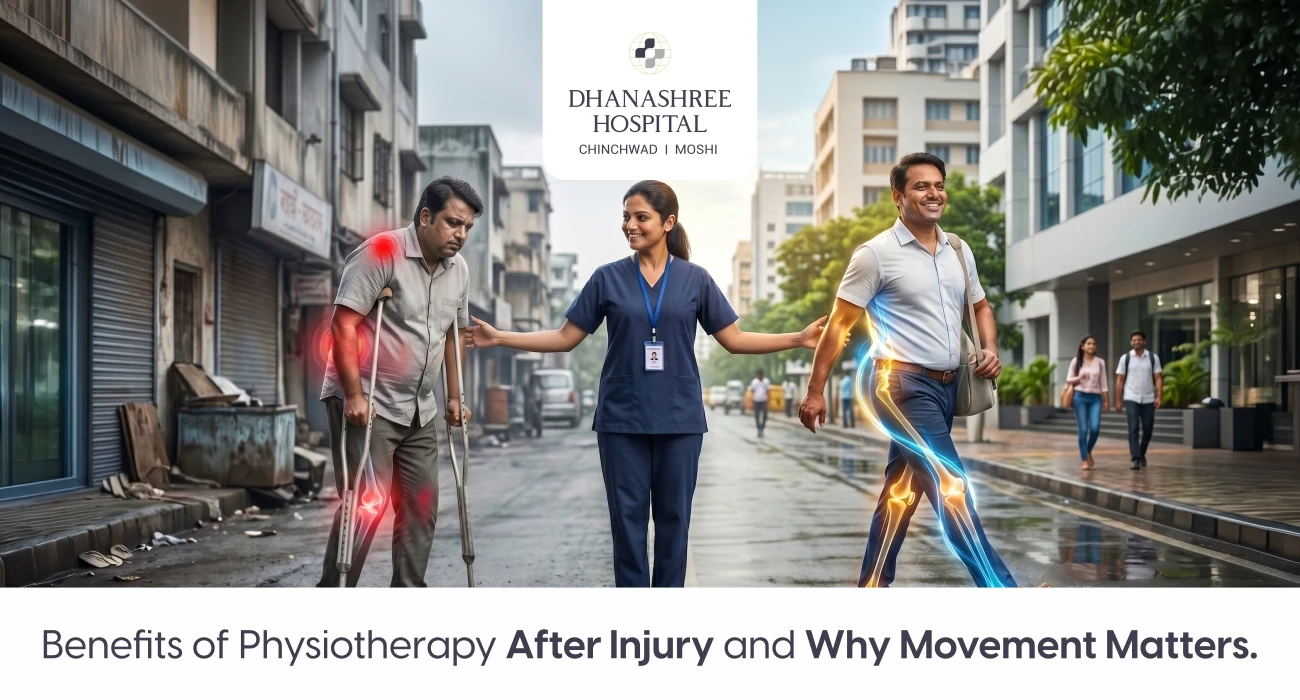
Injuries can disrupt not just movement, but overall quality of life. Whether caused by sports, accidents, or daily strain, recovery is often incomplete without proper rehabilitation. This is where physiotherapy plays a crucial role.
Physiotherapy focuses on restoring movement, reducing pain, and rebuilding strength in a structured and safe manner. More importantly, it emphasises the importance of movement itself, because staying inactive for too long can slow recovery and lead to further complications.
After an injury, the body needs time and the right approach to heal. Physiotherapy provides a structured recovery plan tailored to the type and severity of the injury.
In cases related to ligament injuries or joint damage, early intervention through services like Sports Injury Care and Knee Arthroscopy ensures proper healing and rehabilitation.
Improves Mobility and Flexibility
Injuries often lead to stiffness and restricted movement. Physiotherapy exercises are designed to gradually improve flexibility and restore normal range of motion.
For complex joint issues, advanced procedures such as Shoulder Arthroscopy may be supported with post-procedure physiotherapy for optimal recovery.
Helps Reduce Pain and Stiffness
Pain after injury is common, but prolonged discomfort should not be ignored. Physiotherapy techniques such as stretching, strengthening, and manual therapy help reduce pain and stiffness over time.
Strengthens Muscles After Injury
Injuries often weaken surrounding muscles, increasing the risk of re-injury. Physiotherapy focuses on rebuilding muscle strength to support joints and improve stability.
For severe joint damage or degeneration, interventions like Robotic Joint Replacement may be considered, followed by structured rehabilitation.
Supports Posture Correction
Poor posture can develop after injury due to compensation or reduced movement. Physiotherapy helps correct posture, ensuring proper alignment and reducing unnecessary strain on the body.
In cases involving spinal concerns, evaluation through Endoscopic Spine Surgery services may be required along with rehabilitation.
Improves Balance and Coordination
Injuries can affect balance and coordination, especially when joints or muscles are involved. Physiotherapy includes exercises that improve stability and control, helping patients regain confidence in movement.
Encourages Safer Movement Habits
One of the key benefits of physiotherapy is education. Patients learn how to move correctly, avoid strain, and protect their body during daily activities.
This reduces the chances of further injury and supports long-term recovery.
Helps Prevent Recurring Injuries
Without proper rehabilitation, injuries are more likely to recur. Physiotherapy addresses the root cause of the problem, not just the symptoms.
Early diagnosis through imaging services like MRI or CT Scan can help identify underlying issues and guide effective treatment.
Supports Long-Term Joint Health
Consistent physiotherapy not only aids recovery but also helps maintain joint health over time. Strong muscles and flexible joints reduce wear and tear, especially in weight-bearing areas like the knees and spine.
Regular Movement Improves Overall Wellbeing
Movement is essential for both physical and mental health. Regular activity improves circulation, boosts energy levels, and supports overall wellbeing.
Avoiding movement for too long can lead to stiffness, weakness, and delayed recovery. Controlled, guided movement is key to healing effectively.
Recovery Through the Right Approach
Physiotherapy is not just about exercises, it is about restoring confidence in movement and helping the body return to its natural function. Combining medical expertise with guided rehabilitation ensures better outcomes and faster recovery.
Move Better, Recover Stronger
Recovering from an injury requires more than rest. The right balance of movement, care, and expert guidance can significantly improve healing and prevent long-term issues.
If you are dealing with pain, stiffness, or limited mobility after an injury, early intervention can make a significant difference. Contact us to access expert care, advanced diagnostics, and personalised rehabilitation support for a stronger recovery.
Frequently Asked Questions
It helps restore movement, reduce pain, and support proper healing.
As early as recommended by your doctor, depending on the injury.
In some cases, yes. It can improve function and reduce symptoms.
Yes, it reduces pain through guided exercises and techniques.
It depends on the severity of the injury and consistency of therapy.
Yes, when guided properly through physiotherapy.
Yes, by strengthening muscles and improving movement patterns.
In some cases, imaging tests help guide treatment effectively.