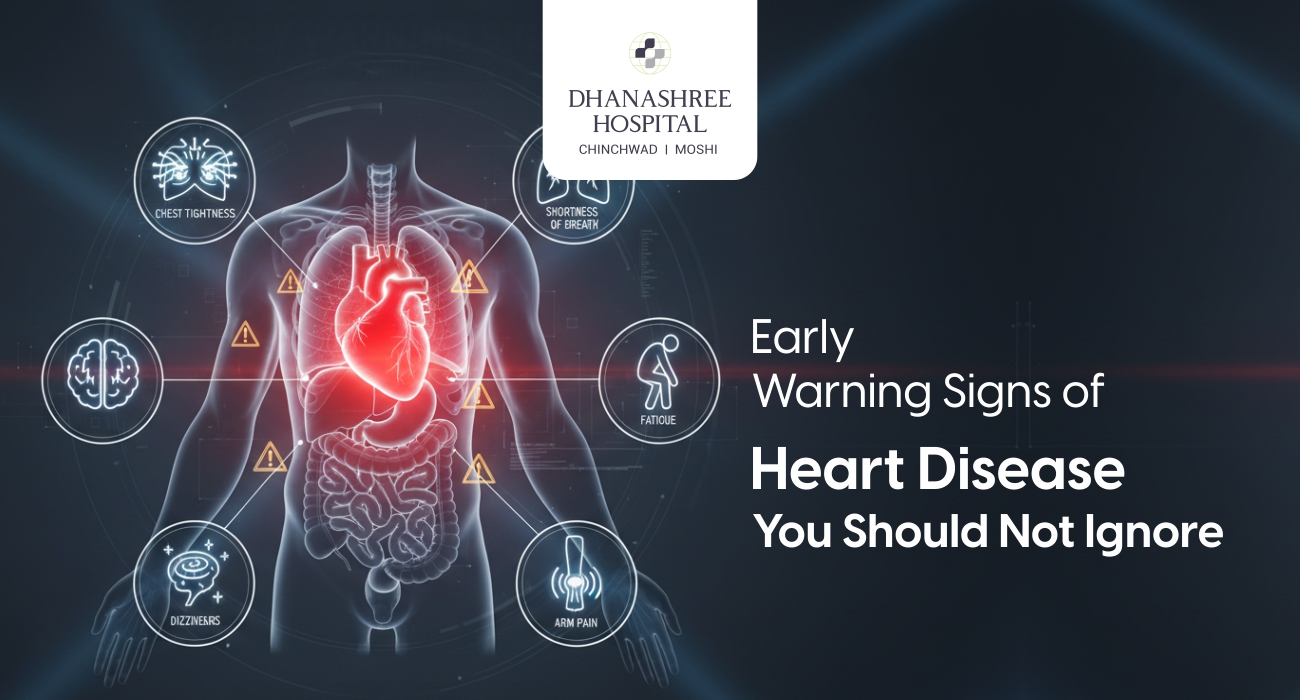
Heart disease rarely develops suddenly. In most individuals, it progresses gradually over months or even years, quietly affecting the heart and blood vessels before clear symptoms become noticeable. During these early stages, the body often gives subtle warning signs such as mild chest discomfort, unexplained fatigue, shortness of breath, or reduced tolerance to physical activity. These signals are frequently overlooked or mistaken for stress, ageing, lack of sleep, or everyday lifestyle pressures.
Recognising and understanding these early indicators is important because they often reflect underlying changes in heart function or blood flow. Timely medical evaluation at this stage allows for early intervention, appropriate treatment, and preventive care that can slow disease progression, reduce the risk of serious cardiac events, and support better long term cardiovascular health.
Heart disease remains one of the leading causes of serious health complications worldwide. Early identification of symptoms plays a critical role in preventing disease progression and reducing emergency situations.
Early detection helps in:
Preventing heart attacks and strokes
Slowing the progression of coronary artery disease
Managing underlying risk factors such as high blood pressure and diabetes
Reducing long-term damage to the heart muscle
Improving overall quality of life
Early Warning Signs of Heart Disease
1. Chest Discomfort, Pressure, or Tightness
Chest discomfort is one of the most common early signs of heart disease. Unlike sudden, severe pain, early cardiac-related discomfort may present as:
A feeling of pressure or tightness
Heaviness or squeezing in the chest
Mild pain during physical exertion
Discomfort that subsides with rest and returns with activity
Such symptoms may indicate reduced blood flow to the heart muscle and should always be evaluated medically.
2. Shortness of Breath
Unexplained breathlessness during daily activities or at rest may signal that the heart is struggling to pump blood efficiently. This can occur due to weakened heart muscles, valve abnormalities, or fluid buildup in the lungs.
Initial evaluation often includes a clinical examination supported by diagnostic tests performed through a diagnostic center, helping determine whether the cause is cardiac or respiratory in nature.
3. Persistent Fatigue and Reduced Stamina
Chronic fatigue that does not improve with adequate rest may be an early sign of heart disease. Reduced cardiac output limits oxygen delivery to tissues, leading to:
Low energy levels
Decreased exercise tolerance
Difficulty performing routine tasks
4. Irregular Heartbeat or Palpitations
Palpitations may feel like fluttering, skipped beats, or a rapid heartbeat. While occasional palpitations can be harmless, frequent or persistent episodes may indicate abnormalities in heart rhythm.
Evaluation often begins with an ECG (electrocardiogram) to assess the heart’s electrical activity and identify rhythm disturbances.
5. Pain Radiating Beyond the Chest
Heart-related discomfort may extend beyond the chest to other areas of the body, including:
The left arm or shoulder
Neck or jaw
Upper back
6. Swelling in the Legs, Ankles, or Feet
Swelling in the lower extremities can occur when the heart is unable to circulate blood effectively, causing fluid retention. This may indicate early heart failure and is often associated with:
Weight gain from fluid buildup
Shortness of breath
Reduced physical endurance
7. Dizziness, Lightheadedness, or Fainting
Reduced blood flow to the brain can lead to dizziness or fainting episodes. These symptoms may be linked to:
Abnormal heart rhythms
Low blood pressure
Structural heart conditions
Key Risk Factors That Increase the Risk of Heart Disease
Certain factors significantly increase the likelihood of developing heart disease, including:
High blood pressure
Elevated cholesterol levels
Diabetes
Obesity
Smoking
Sedentary lifestyle
Family history of heart disease
Individuals with these risk factors benefit from periodic cardiovascular screening.
Role of Cathlab in Heart Disease Evaluation
When coronary artery disease is suspected, detailed assessment of blood flow to the heart may be required. This is where a cardiac cathlab plays a crucial role. Cathlab procedures help:
Identify blocked or narrowed coronary arteries
Assess the severity of heart vessel disease
Guide interventional treatments when necessary
Cathlab evaluation allows for accurate diagnosis and timely treatment planning in patients with suspected coronary artery blockages.
How Heart Disease Is Diagnosed
Heart disease is diagnosed using a combination of clinical assessment and diagnostic investigations, which may include:
Blood tests to assess cholesterol levels and cardiac markers
CT scan or MRI for detailed cardiac imaging when required
These tests help create a clear picture of heart health and guide treatment decisions.
Treatment and Long-Term Heart Care
Treatment depends on the type and severity of heart disease. Management may involve:
Medications to control blood pressure, cholesterol, or heart rhythm
Lifestyle modifications such as diet changes and physical activity
Interventional procedures or surgery when necessary
In advanced cases or during acute cardiac events, patients may require close monitoring and stabilisation in ICU and critical care units to manage complications safely.
Lifestyle Measures That Support Heart Health
Alongside medical care, long-term heart health depends heavily on lifestyle choices:
Following a heart-friendly diet
Maintaining regular physical activity
Managing stress effectively
Avoiding tobacco use
Attending routine health check-ups
When Should You Seek Medical Attention?
Seek immediate medical evaluation if you experience:
Persistent chest pain or pressure
Sudden or worsening shortness of breath
Fainting episodes
Rapid or irregular heartbeat
Swelling in the legs or abdomen
Early warning signs of heart disease should never be ignored. Recognising symptoms early and seeking timely medical evaluation can prevent serious complications and improve long-term outcomes. If you are experiencing symptoms or have multiple risk factors, consult a healthcare professional for comprehensive heart assessment and personalised care planning.
Frequently Asked Questions
Early signs may include chest discomfort, shortness of breath, unexplained fatigue, palpitations, dizziness, or swelling in the legs. These symptoms can appear gradually and should not be ignored.
Yes. Many people experience non-classic symptoms such as fatigue, breathlessness, nausea, or jaw and back pain, especially women and elderly individuals.
If you have risk factors like high blood pressure, diabetes, high cholesterol, a family history of heart disease, or persistent symptoms, early screening is recommended.
Not always. Occasional palpitations can be harmless, but frequent or persistent episodes may indicate rhythm abnormalities and require medical evaluation.
Yes. Breathlessness during routine activities or at rest may suggest reduced heart function or fluid buildup and should be assessed by a healthcare professional.
Diagnosis may involve clinical examination, blood tests, ECG, imaging studies such as CT scan or MRI, and other cardiac evaluations depending on symptoms.
In early stages, lifestyle modifications like diet changes, regular exercise, stress management, and quitting smoking can significantly slow or improve disease progression.
People with diabetes, high blood pressure, obesity, smoking habits, sedentary lifestyles, or a family history of heart disease have a higher risk.