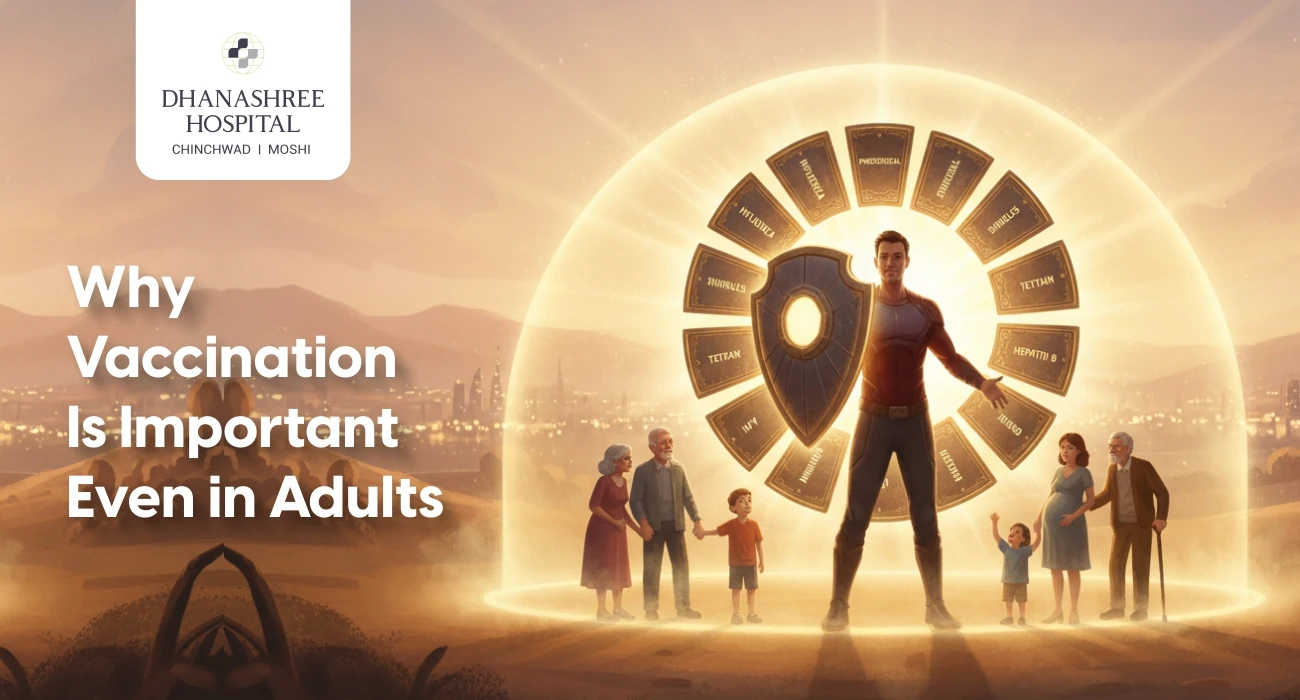
Vaccination is often associated with childhood, but maintaining immunity is a lifelong process. As we grow older, our immune system changes, and the protection gained from certain childhood vaccines may gradually decrease. This makes adults equally vulnerable to infections, some of which can lead to serious complications if not prevented in time.
Adult vaccination is a simple yet powerful step in preventive healthcare. It not only protects individuals from infections but also helps reduce the spread of diseases within families and communities.
Many people believe vaccines are only necessary during childhood. However, immunity is not always permanent. Over time, the body’s defense against certain diseases can weaken, making adults susceptible again.
Regular health checkups and awareness about vaccination schedules help ensure continued protection throughout life.
Immunity Wears Off Over Time
The protection provided by some vaccines reduces with age. Booster doses are often required to maintain immunity and ensure the body can effectively fight infections.
For example, vaccines for conditions like tetanus or influenza require periodic updates. Staying up to date with boosters is essential for long-term protection.
Higher Risk of Infections in Adults
Adults are constantly exposed to infections through daily activities, workplaces, travel, and social interactions. Unlike children, adults may have underlying health conditions that increase the risk of complications.
Vaccination helps reduce the chances of contracting infections and prevents them from becoming severe.
Increased Vulnerability with Age
As the body ages, the immune system naturally becomes weaker. This makes older adults more susceptible to infections and increases the likelihood of complications such as pneumonia or severe respiratory illness.
Preventive vaccination plays a crucial role in protecting older individuals and maintaining overall health.
Lifestyle and Work-Related Exposure
Certain professions and lifestyles increase exposure to infections. Healthcare workers, frequent travelers, and individuals working in crowded or public environments are at higher risk.
Vaccination provides an additional layer of protection, helping individuals stay healthy despite increased exposure.
Prevention of Serious Diseases
Vaccines help prevent several serious and potentially life-threatening conditions. Some of the key diseases that adults should stay protected against include:
Influenza
Hepatitis
Pneumonia
COVID-19
By preventing these illnesses, vaccines reduce the risk of complications and long-term health issues.
Protecting Others Around You
Vaccination is not just about personal protection. It also helps protect those around you, especially individuals who are more vulnerable.
This includes:
Children with developing immune systems
Elderly family members
People with chronic illnesses
By getting vaccinated, you reduce the spread of infections and contribute to community health.
Reducing Hospitalization and Complications
Vaccinated individuals are less likely to develop severe symptoms if they do get infected. This significantly reduces the chances of hospitalization, intensive care, and long-term complications.
Preventive care through vaccination also reduces the overall burden on healthcare systems.
Importance of Vaccination for Travel
Traveling to different regions exposes individuals to infections that may not be common in their home environment. Many countries also require proof of vaccination for entry.
Staying updated with recommended vaccines ensures safe travel and protects against unfamiliar infections.
A Simple Step Toward Preventive Healthcare
Vaccination is one of the easiest and most effective ways to protect your health. It requires minimal time, is widely available, and offers long-term benefits.
When combined with regular health checkups, vaccination becomes a key part of a proactive healthcare approach focused on prevention rather than treatment.
Frequently Asked Questions
Yes. Immunity from some childhood vaccines can decrease over time, and adults may require booster doses or new vaccines.
Common adult vaccines include influenza, tetanus, hepatitis, pneumonia, and COVID-19.
It depends on the vaccine. Some require yearly doses, while others need boosters every few years.
Yes. Vaccines are thoroughly tested and are safe when administered as recommended.
Yes. Vaccinated individuals are less likely to develop severe illness requiring hospital care.
Yes. Even healthy individuals can benefit from vaccination as prevention is always better than treatment.
Yes. Some countries require specific vaccines, and it also protects against regional infections.
Yes. It reduces the spread of infections, especially to vulnerable individuals.
Vaccination is not limited to childhood. As immunity changes with age and exposure to infections increases, staying up to date with vaccines becomes essential for adults. From preventing serious diseases to protecting loved ones and reducing healthcare risks, vaccination plays a vital role in maintaining long-term health.
Vaccination is a simple yet powerful way to protect your health and prevent serious infections. As immunity changes over time, staying updated with recommended vaccines becomes essential for long-term wellbeing. If you are unsure about which vaccines you may need or have not updated your immunizations in recent years, contact us to help you take the right preventive steps. Prioritising vaccination today can help you stay protected, reduce health risks, and safeguard those around you.